Vistar Electronics is a professional tactile switch manufacturer and supplier offering SMD, DIP, 2-pin, 4-pin, waterproof and illuminated options for PCB-mounted control applications. Choose compact footprints from 4×4mm to 12×12mm, multiple operating forces, actuator heights and customization options for consumer electronics, automotive, medical and industrial products.
Vistar manufactures a full spectrum of tactile switches, with the compact 4×4 tactile switch SMD PCB and the popular SMD tactile switch 6x6mm being the most requested footprints. Below are the standard electrical and mechanical specifications for our entire range.
| Series / Footprint | Mounting Type | Operating Force | Current / Voltage | Cycle Life | IP Rating |
|---|---|---|---|---|---|
| 4×4mm SMD | SMD (PCB) | 100 – 260gf | 50mA / 12V DC | 100,000 | IP40 (IP67 opt.) |
| 4.5×4.5mm SMD | SMD (PCB) | 160 – 320gf | 50mA / 12V DC | 100,000 | IP40 (IP67 opt.) |
| 6×6mm SMD / DIP | SMD / Through-Hole | 100 – 320gf | 50mA / 12V DC | 100,000+ | IP40 / IP67 |
| 12×12mm SMD / DIP | SMD / Through-Hole | 160 – 320gf | 50mA / 12V DC | 100,000 | IP40 / IP67 |
| 12mm Round (LED) | SMD / Through-Hole | 160 – 260gf | 50mA / 12V DC | 100,000 | IP40 (IP67 opt.) |
All models are momentary action. The 4×4 tactile switch SMD PCB is ideal for space-constrained designs, while the 6×6mm offers the best balance of size and tactile feel.


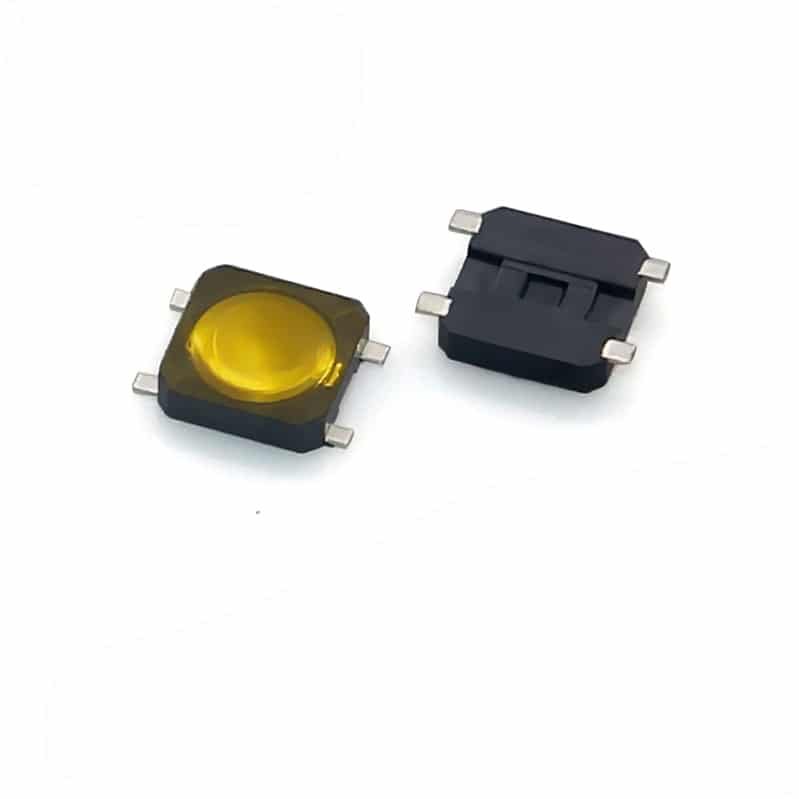


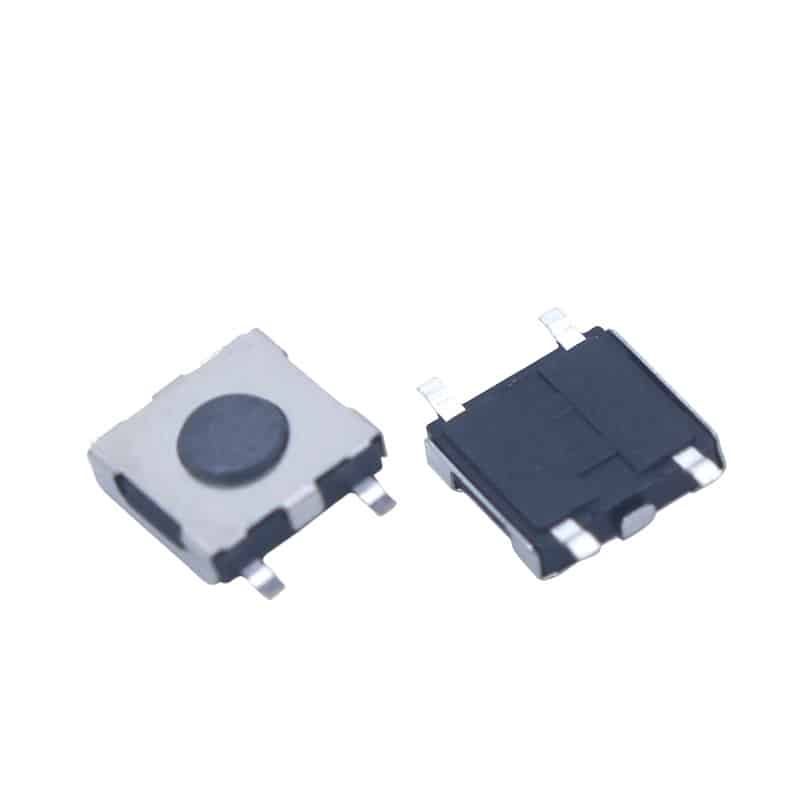


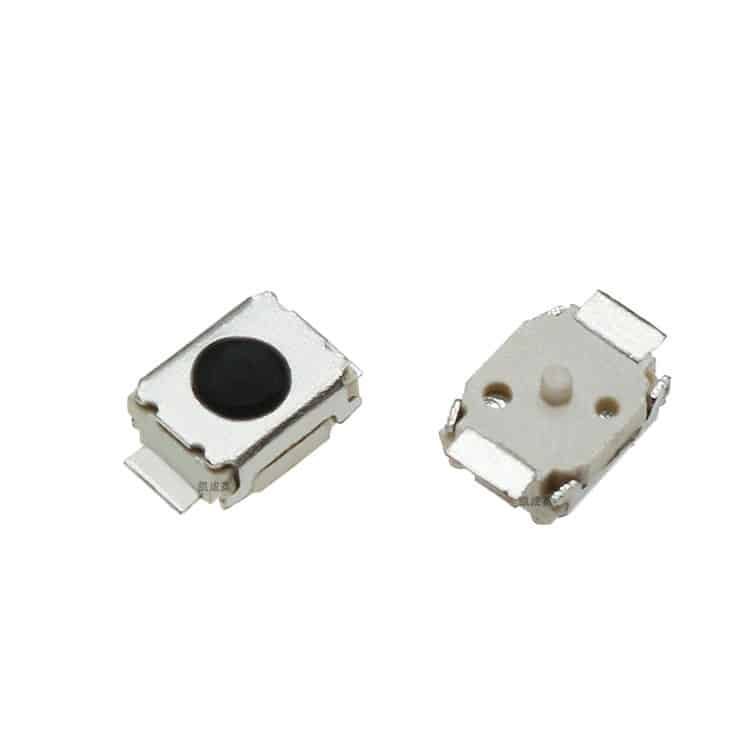


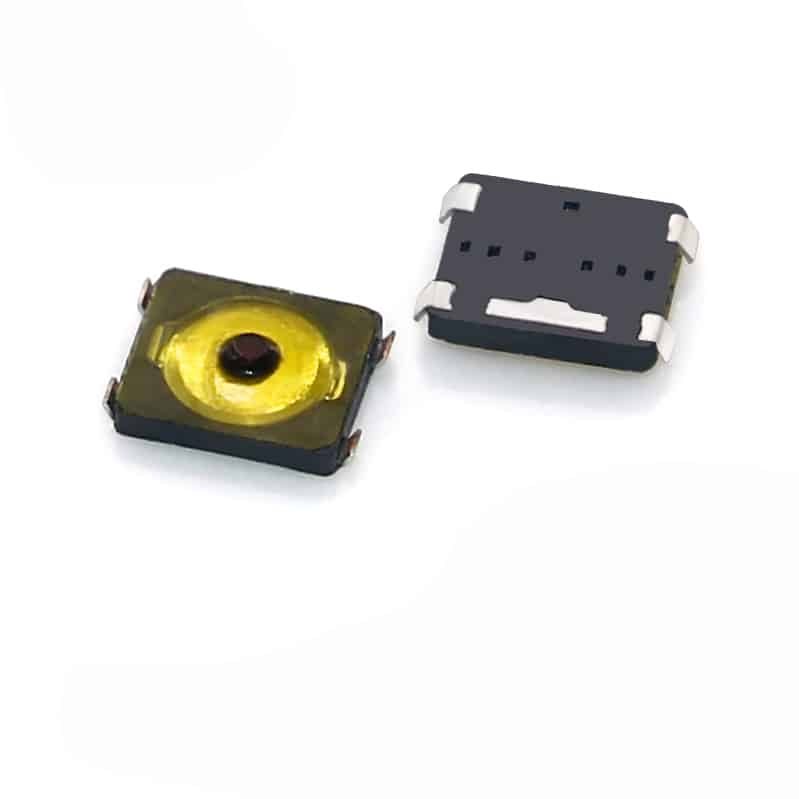


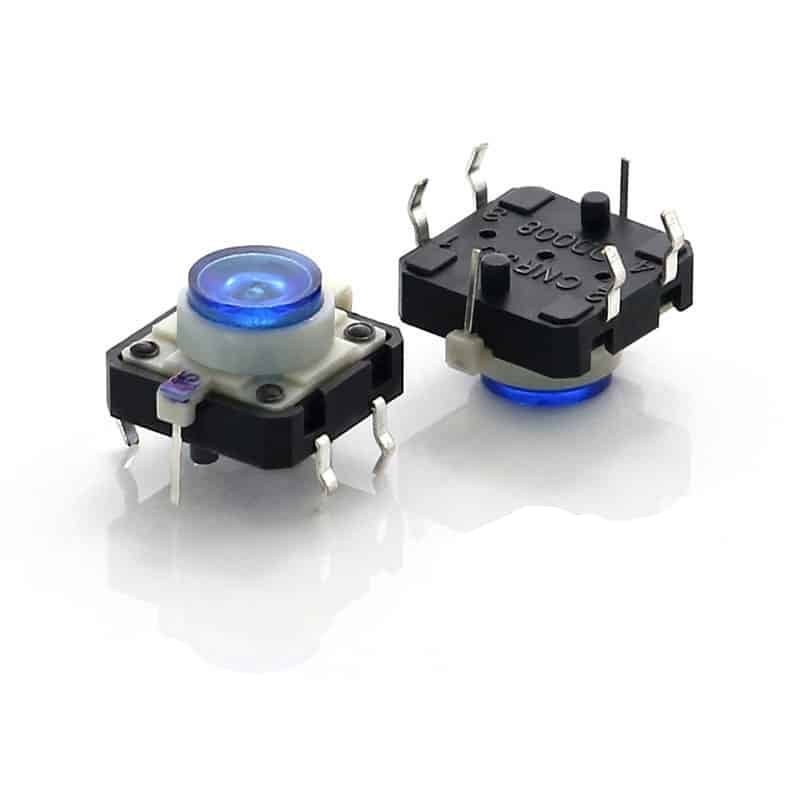


All Vistar tactile switches are momentary tactile switch devices, meaning they are normally open (NO) and close only when pressed. Our standard electrical rating is 50mA at 12V DC, making this momentary tactile switch 50mA 12V specification suitable for low-power control circuits in virtually all electronic products. The momentary tactile switch action delivers crisp, reliable feedback with every press.
Available in both SMD tactile switch (for high‑speed automated assembly) and DIP tactile switch (for through‑hole mechanical retention) — offering maximum design flexibility for your 4×4 tactile switch SMD PCB or through-hole projects.
Choose from ultra‑light 100gf for wearables, standard 160gf for consumer electronics, firm 260gf for industrial controls, or heavy 320gf for safety‑critical applications.
All Vistar switches are rated as a momentary tactile switch 50mA 12V, ensuring compatibility with microcontrollers, logic circuits, and low-power interfaces. Custom ratings are available for OEM projects.
Rated for 100,000+ cycles, ensuring long‑term reliability in high‑use interfaces such as keypads, remote controls, and control panels.
Choose illuminated tactile switches with integrated LEDs for visual feedback, or silent tactile switches with dampening materials for quiet environments.
All Vistar tactile switches are fully compliant with RoHS 3 (EU 2015/863) and REACH SVHC regulations, manufactured under ISO 9001 certified quality management systems.
For OEM and contract manufacturing projects, selecting the right supplier involves more than comparing unit prices. Mechanical consistency, electrical performance, production capacity, quality control and engineering support can all affect the total cost of a finished product.
Vistar Electronics provides factory-direct sourcing for tactile switches and related electromechanical components. Our team can support customers from initial sample selection through production, helping engineers match the required footprint, force, actuator height, mounting method and environmental specifications.
Our IP67 tactile switch series features silicone rubber sealing against water ingress. Whether you need a compact 4×4 tactile switch SMD PCB with IP67 or a 12×12mm version, we deliver full protection without compromising tactile click feedback.
As a professional tactile switch manufacturer based in Shenzhen since 2009, Vistar offers factory-direct pricing, complete quality control, and flexible OEM/ODM customization — including custom IP67 sealing levels.
From ultra‑compact 4×4 tactile switch SMD PCB models to the industry‑standard 6×6mm and large 12×12mm switches, we offer the widest selection with multiple actuator heights and operating forces.
As a versatile tactile switch manufacturer, Vistar supplies components for a vast range of industries. Our 4×4 tactile switch SMD PCB is perfect for wearables and compact handheld devices, while the IP67 tactile switch manufacturer expertise ensures rugged solutions for outdoor equipment. All models feature momentary tactile switch 50mA 12V electrical ratings suitable for low-power logic circuits.
Among the vast array of available footprints, the 6×6mm SMD tactile switch stands out as the most widely adopted size across consumer electronics, automotive controls, and medical devices. The specific SMD tactile switch 6x6mm variant offers an ideal balance between compact PCB footprint and generous actuator surface area, ensuring reliable finger engagement while supporting automated pick-and-place assembly.
Vistar’s SMD tactile switch 6x6mm series is available with actuator heights ranging from 1.5mm to 7.0mm, operating forces from 100gf to 320gf, and optional IP67 sealing. This versatility makes the SMD tactile switch 6x6mm the go-to choice for engineers designing remote controls, keypads, handheld terminals, and portable medical monitors — where both space efficiency and tactile comfort are critical.
When electronic devices are deployed in outdoor, marine, automotive, or industrial environments, moisture and dust ingress are constant threats. An IP67 tactile switch addresses this challenge with a silicone rubber seal that completely isolates the internal metal dome and contacts from the outside environment.
Choosing an IP67 tactile switch means your product can withstand accidental water splashes, rain exposure, and even temporary immersion up to 1 metre for 30 minutes — without compromising the crisp tactile click that users expect. Vistar’s IP67 tactile switch portfolio covers 4×4mm, 6×6mm, and 12×12mm footprints, ensuring that even the most space-constrained waterproof designs have a reliable switching solution. Applications include marine GPS units, outdoor lighting controls, automotive door modules, and portable medical diagnostic equipment.
Selecting a trustworthy tactile switch manufacturer is just as important as choosing the correct technical specifications. A professional tactile switch manufacturer not only offers a wide footprint and force range but also provides OEM/ODM flexibility, strict quality control (ISO 9001), and full compliance with RoHS 3 and REACH regulations.
Vistar Electronics has operated as a dedicated tactile switch manufacturer since 2009, serving global OEMs with factory-direct pricing, short lead times, and engineering support for custom actuator heights, LED illumination, and IP ratings. When you partner with a reliable tactile switch manufacturer like Vistar, you gain supply chain peace of mind, consistent batch-to-batch quality, and the ability to scale from prototype to mass production without redesign.

Introduction Learn everything about waterproof tactile switch guide, including IP67 protection, sealing technologies, switch types, testing standards, applications, and expert tips for...

Master tactile switch selection with this engineering guide. Learn sizing, mounting, IP ratings, operating force, and avoid common sourcing mistakes. Read now....

A design team once finished the entire PCB layout for a handheld diagnostic tool, only to discover that the selected tactile switch...

