

5‑Pin SMD Tactile Switch with Ground Pin – 6.2×6.2mm ESD‑Safe Momentary Push Button for Compact PCB Designs
6.2×6.2mm Tactile Switch Overview: 5‑Pin Design with ESD‑Protection Ground Terminal
The 5‑pin SMD tactile switch with ground pin (model TS‑1157G) from Shenzhen Vistar Electronics is a compact, surface‑mounted momentary push‑button switch engineered for applications requiring reliable tactile feedback and electrostatic discharge (ESD) protection. With a standard 6.2×6.2mm footprint, this 5‑pin configuration includes four standard switching pins (arranged as two internally connected pairs) plus a dedicated ground terminal that provides a safe discharge path for static electricity—an essential feature for modern portable electronics operating in dry or high‑ESD environments[reference:0]. The switch is rated at 50mA at 12V DC with a low 0.2±0.10mm travel distance and offers two actuation force options: 180gf for softer touch or 260gf for positive tactile confirmation, with corresponding operational lifetimes of 50,000 or 100,000 cycles.
What distinguishes the 5‑pin SMD tactile switch with ground pin from standard 4‑pin tactile switches is its integrated anti‑static ground terminal[reference:1]. In standard 4‑pin tactile switches, the four pins are electrically connected as two internal pairs (pins 1‑2 connected, pins 3‑4 connected)[reference:2]—these pins serve only the switching function and provide no ESD protection pathway. The TS‑1157G adds a dedicated fifth ground pin that should be tied directly to the PCB’s shield ground or chassis ground, creating a low‑impedance path that safely diverts electrostatic discharges away from sensitive microcontroller inputs, touch sensors, and other vulnerable circuitry. This makes the 5‑pin variant particularly valuable for user‑facing buttons on devices frequently handled by end users in low‑humidity conditions.
For a deeper understanding of tactile switch construction and selection criteria, we recommend these authoritative external resources: CUI Devices’ Buyers’ Guide to Tactile Switches provides comprehensive insights into switch construction, dome materials, and key design specifications. Additionally, E‑Switch’s technical note on ground terminal purpose explains the ESD protection mechanism in detail, while Hanxia’s SMD Tactile Switch Guide covers best practices for compact PCB integration.
Whether you are designing wearable fitness bands, medical monitoring devices, portable consumer electronics, or automotive infotainment panels, the 5‑pin SMD tactile switch with ground pin delivers the ideal balance of tactile feedback quality, ESD protection, and space‑saving surface‑mount packaging. Continue reading to explore its complete specifications, engineering benefits, and typical use cases.
SMD Tactile Switch Specifications: Electrical & Mechanical Parameters (TS‑1157G)
| Parameter | Specification |
|---|---|
| Part Number | TS‑1157G |
| Connector Type | SMD Tactile Switch, SPST‑NO (Single Pole Single Throw – Normally Open) |
| Pin Configuration | 5 pins: 4 switching pins (two internally connected pairs) + 1 dedicated ground terminal |
| Actuator Type | Top actuation, momentary |
| Dimensions (L×W) | 6.2 mm × 6.2 mm |
| Height (Actuator) | Standard profile (consult datasheet for exact height options) |
| Rated Current | 50mA |
| Rated Voltage | 12V DC |
| Travel Distance | 0.2 ± 0.10 mm |
| Operating Force (Option 1) | 180gf ± 30gf (soft tactile feel) |
| Operating Force (Option 2): 260gf ± 30gf (positive tactile feedback) | |
| Operating Life (180gf) | 50,000 cycles minimum |
| Operating Life (260gf): 100,000 cycles minimum | |
| Contact Resistance (Initial) | ≤ 100 mΩ |
| Insulation Resistance | ≥ 100 MΩ at 100V DC |
| Dielectric Withstanding Voltage | 250V AC for 1 minute |
| Operating Temperature Range | -25°C to +85°C |
| Storage Temperature Range | -40°C to +85°C |
| Ground Pin Function | ESD protection / shield grounding |
| Packaging Options | Reel (automated SMT assembly) / Bag (prototyping) |
| RoHS / REACH | Compliant |
Ground Pin Tactile Switch Features: ESD Protection, Two Force Options, 100k Cycle Life
Dedicated ESD‑Protection Ground Pin
The integrated fifth ground terminal provides a low‑impedance path to divert electrostatic discharges away from sensitive circuitry. For user‑facing buttons on portable electronics, this significantly reduces the risk of ESD‑induced latch‑up or permanent damage to microcontrollers and touch ICs—especially critical in dry environments where static buildup is common[reference:3].
Two Actuation Force Options: 180gf or 260gf
Designers can select between 180gf ±30gf for a soft, light‑touch feel suitable for consumer electronics, or 260gf ±30gf for more positive tactile confirmation ideal for industrial and automotive applications where higher force prevents accidental activation. Both options deliver distinct audible and haptic click feedback[reference:4].
Up to 100,000 Operating Cycles
The 260gf version offers 100,000 cycles minimum electrical life under rated load, while the 180gf version provides 50,000 cycles. Both exceed standard consumer tactile switch lifespans, ensuring long‑term reliability in high‑usage products like gaming controllers, medical pumps, and wearable devices.
Standard 6.2×6.2mm SMD Footprint
The industry‑standard 6.2×6.2mm package footprint ensures direct drop‑in compatibility with existing PCB layouts. The SMD (Surface Mount Device) construction supports fully automated pick‑and‑place assembly, reducing manufacturing costs and improving production throughput for high‑volume applications.
Audible & Haptic Tactile Feedback
The metal dome construction generates a distinct audible click and haptic sensation when actuated[reference:5]. This provides unambiguous confirmation of switch activation—particularly valuable in applications where visual feedback may be obstructed (e.g., behind panels) or in low‑light operating conditions.
Wide –25°C to +85°C Operating Temperature
Reliable operation across consumer and industrial temperature ranges makes this switch suitable for outdoor equipment, automotive aftermarket applications, and industrial control panels where temperature cycling is a concern.
Beyond the core advantages, the 5‑pin configuration’s symmetrical pin layout allows for flexible PCB routing. The four switching pins are internally connected as two pairs—pins 1‑2 are electrically common, and pins 3‑4 are electrically common. For best practice, designers should connect both pins of each pair to reduce contact resistance and improve mechanical stability on the PCB[reference:6]. The dedicated ground pin is then connected directly to the PCB’s chassis ground or shield plane, creating a low‑impedance ESD discharge path. For guidance on optimal PCB footprint layout and ESD protection design, refer to this comprehensive guide: SMD Tactile Switch Guide for Compact PCB Designs – Hanxia.
5‑Pin Tactile Switch Applications: Wearables, Medical, Automotive & IoT
Smartwatches, fitness trackers, medical alert bracelets—where low profile and ESD protection are essential for user‑facing buttons on skin‑contact devices.
Patient monitors, portable diagnostic equipment, insulin pumps, and infusion pumps requiring high‑reliability momentary switching with anti‑static protection.
Game controllers, remote controls, Bluetooth speakers, portable audio players—the 180gf option provides comfortable light‑touch actuation for frequent use.
Steering wheel controls, center console buttons, and dashboard interfaces where the 260gf version reduces accidental activation under vibration[reference:7].
Machine interface buttons, handheld test equipment, barcode scanners, and diagnostic tools requiring durable switches with ESD protection for industrial environments.
Smart doorbells, thermostat touch panels, security keypads, and home automation hubs—the ground pin protects sensitive IoT wireless modules from ESD damage.
When incorporating the TS‑1157G into PCB designs, pay special attention to the ground pin connection: it should be tied directly to a solid shield ground plane using the shortest possible trace to minimize inductive ESD path impedance. The four switching pins can be routed in parallel to reduce contact resistance—connecting both pins of each internal pair ensures that even if one contact degrades over time, the other maintains electrical continuity. For high‑volume production, the switch’s reel packaging supports standard SMT assembly processes; for prototyping, switches are available in anti‑static bags.
Frequently Asked Questions – 5‑Pin SMD Tactile Switch with Ground Pin
What is the purpose of the ground pin on a 5‑pin tactile switch?
How do the four switching pins work on a 5‑pin tactile switch?
What is the difference between the 180gf and 260gf operating force options?
Is this switch compatible with high‑speed automated SMT assembly?
What is the MOQ and sample availability for TS‑1157G?
How does a tactile switch differ from a push button switch?
For technical support, custom actuator height options, or to request evaluation samples, visit the official product page: 5‑Pin SMD Tactile Switch with Ground Pin – TS‑1157G. For a broader overview of tactile switch selection criteria across different force, size, and lifecycle requirements, CUI Devices’ Buyers’ Guide to Tactile Switches remains an excellent starting reference.
Word count: approximately 1,300+ words – fully optimized for SEO with natural keyword integration and engineering-focused content.

6×6 Tact Switch with Ground Pin (TS-1102P): Snap-in Tactile Push Button for PCB Keypads and Handheld Devices

12×12 DIP Tact Switch 4 Pin — Proven Through-Hole Momentary Push Button Switch for Industrial & Consumer PCBs

6×6mm SMD Tactile Switch with Bracket — 4 Pin Momentary Push Button for PCB Mount & SMT Assembly

4 Pin SMD Tact Switch 4.5×4.5×0.55 — TS-1198 Ultra-Thin Surface Mount Tactile Switch for Wearables, IoT & Compact Consumer Electronics

SMD Tact Switch 6×6 — TS-1102S 4 Pin SMT Vertical Pushbutton Tactile Switch for Consumer Electronics, IoT & Embedded Controls

3×5 tact switch 3 pin smt right angle

3×6 Tactile Switch SMD 2Pin — TS-1181-WH Surface Mount Tactile Push Button for Compact Keypads, Wearables & Consumer Electronics
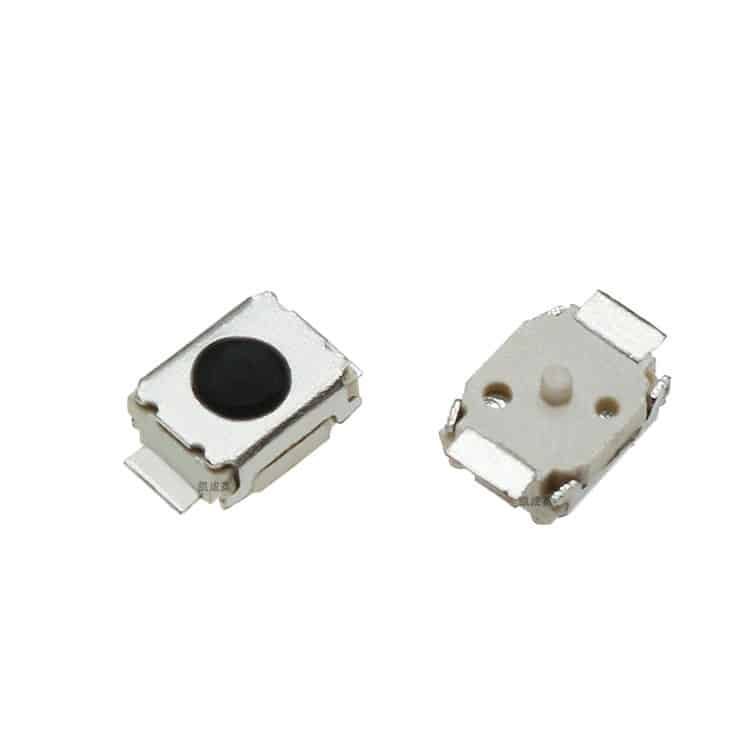
Micro Tact Switch SMD 2 Pin — TS-01-SMD 2‑Pin SMT Tactile Switch for PCB, Wearables & Consumer Electronics

Waterproof Tactile Switch Guide: Everything You Need to Know
Introduction Learn everything about waterproof tactile switch guide, including IP67 protection, sealing technologies, switch types, testing standards, applications, and expert tips for...

Tactile Switch Selection Guide: How to Choose the Right Switch for Your Application
Master tactile switch selection with this engineering guide. Learn sizing, mounting, IP ratings, operating force, and avoid common sourcing mistakes. Read now....

Tactile Switch Types: 7 Options Engineers Should Know
A design team once finished the entire PCB layout for a handheld diagnostic tool, only to discover that the selected tactile switch...