Pin header connectors from a Shenzhen manufacturer. Vistar supplies 1.0mm,
1.27mm, 2.0mm and 2.54mm pin headers in straight, right-angle, SMT and
through-hole configurations, with free samples and custom pin lengths for
OEM and high-volume PCB applications.


| Pitch | Rows | Mounting | Current Rating | Pin Size | Plating | Insulator |
|---|---|---|---|---|---|---|
| 1.0mm | Single / Dual | SMT / DIP | 0.5A | 0.4mm | Gold / Tin | PA6T, UL 94V-0 |
| 1.27mm | Single / Dual | SMT / DIP | 1.0A | 0.5mm | Gold / Tin | PA6T, UL 94V-0 |
| 2.0mm | Single / Dual / Triple | SMT / DIP | 2.0A | 0.5mm | Gold / Tin | PA6T, UL 94V-0 |
| 2.54mm | Single / Dual / Triple | SMT / DIP | 3.0A | 0.64mm | Gold / Tin | PA6T / PBT, UL 94V-0 |
1.0mm and 1.27mm fine pitch for compact boards, 2.0mm for mid-density layouts, and 2.54mm for standard prototyping and general PCB interconnects.
Single row for simple routing; dual and triple row for more contacts in the same length. Triple row is offered at 2.54mm. Pin counts from 2 to 40 per row.
Straight pin headers mate perpendicular to the board. Right angle pin headers mate parallel to it, saving height at board edges and panels.
Surface mount for reflow and double-sided boards; through-hole for stronger mechanical anchoring. Tape-and-reel and tray packaging available.
Gold for low-level signals, harsh environments and frequent mating. Tin for cost-sensitive, low-mating connections.
Insulators rated UL 94V-0. RoHS 3 and REACH declarations available on request for customer audits and export projects.
Pin headers appear in almost every kind of electronic product. The cards below show which pitch and mounting style tend to fit each field.
2.54mm pin headers for shields, sensors and microcontroller boards, the common interconnect for prototyping.
2.0mm and 2.54mm through-hole headers for PLCs, motor drives and data loggers where vibration and service life matter.
Gold-plated fine pitch headers for patient monitors, portable diagnostic equipment and instruments with low-level signals.
1.0mm and 1.27mm SMT pin headers for phones, tablets and wearables where board space is tight.
Pin headers for dashboard clusters, infotainment and ADAS modules. Confirm temperature range and qualification needs with us first.
Right angle and dual row headers for wireless modules, gateways and networking equipment.
A pin header connector is one of the most basic components in electronics: a male connector made of one or more rows of metal pins staked into a plastic insulator. It mates with a female socket, often called a female header or receptacle, to make a board-to-board or wire-to-board connection that can be taken apart again.
The term pin header is used interchangeably with “male header”, “PCB header” and simply “header”. A pcb pin header usually has square posts, 0.64mm or 0.5mm on a side, made of brass or phosphor bronze, and the posts can be straight or bent at a right angle. The insulator is a high-temperature thermoplastic such as PBT, PA6T or LCP, rated UL 94V-0. For general background, see Wikipedia’s entry on pin headers.
Because they are simple and cheap, pin headers turn up in Arduino shields, computer motherboards, industrial control boards, medical instruments and automotive modules. They give designers a separable interface for swapping modules, loading firmware or connecting off-board peripherals. The best-known version is the 2.54mm (0.1 inch) single-row header, but the family covers pitches from 1.0mm up to 2.54mm and anything from a few positions to dozens per row.
All pin header connectors can be sorted by four things: the number of rows, the pin orientation, the mounting style and the pitch. These seven types cover the choices you will meet most often.
A single row pin header has one line of pins. It is the simplest and cheapest form, and the right one when you need only a few signals or have little board space. Lengths run from a single position up to a few dozen, and custom lengths are easy to make.
A dual row pin header puts two parallel rows of pins in the same length, doubling the contact density. It is common in memory modules, display interfaces and industrial backplanes. The 2.54mm dual row SMT pin header is one of the parts listed on this page.
A triple row pin header adds a third row, raising the contact count again without lengthening the header. It is offered at 2.54mm. The 2.54mm triple row pin header is a right-angle, through-hole male header, and the 2.0mm three-row pin header is the finer-pitch option.
A straight pin header has pins that leave the board perpendicular to it, so a mating connector plugs in from above. It is the default for board-to-board stacking. The 2.0mm straight pin header is the straight option listed here.
A right angle pin header has pins bent 90 degrees, so the mating direction runs parallel to the board. This saves vertical clearance and suits edge connectors, front panels and low-profile enclosures.
A surface mount pin header is soldered to pads by reflow, so the board needs no drilled holes. It suits automated assembly and double-sided layouts; packaging is tape-and-reel or tray. See the 2.54mm double plastic SMT pin header and the 1.27mm vertical SMT pin header.
A through hole pin header passes through plated holes and is soldered on the far side, giving stronger anchoring for vibration and frequent mating. See the 2.0mm U type pin header and the 2.54mm triple row right-angle header.
Pin header connector pitch — the distance from one pin center to the next — is the single most important dimensional parameter. The table below summarizes the four most common pitches and where they are used.
| Pitch | Typical Applications | Pin Size (Square) | Mating Cycles |
|---|---|---|---|
| 1.0 mm | Smartphones, tablets, miniaturized IoT modules | 0.4 mm | 50 |
| 1.27 mm | Compact embedded systems, laptop docking, communication boards | 0.5 mm | 100 |
| 2.0 mm | Industrial control, automation, power supplies | 0.5 mm | 200 |
| 2.54 mm | Arduino, Raspberry Pi, breadboarding, universal PCB interconnect | 0.64 mm | 500+ |
When selecting pitch, consider not only the available board space but also the current-carrying capacity and the robustness required.
A 1.27mm pin header board-to-board connector is the usual step down from 2.54mm when board space runs short. The pins sit 1.27mm apart, half the standard spacing, so the same number of contacts takes about half the length. The pins are 0.5mm square, and the headers are rated 1.0A per contact with a PA6T insulator, UL 94V-0.
Vistar makes the 1.27 mm pin header in single and dual row, straight and right angle, SMT and DIP. Two are listed on this page: the 1.27mm vertical SMT pin header, a male header with brass contacts and a black PA6T insulator, and the 1.27mm pin header double row 90° for compact PCB connections.
Pick the 1.27 mm pitch header that matches your mating part first: the female header must have the same pitch, row count and pin size. The pitch guide above lists about 100 mating cycles at 1.27mm, so it suits assemblies connected a few times rather than ports used daily. For more cycles or more current, move up to 2.0mm or 2.54mm.
A common question from engineers new to connectors is how a pin header differs from a female header. The table sets them side by side.
| Feature | Pin Header (Male) | Female Header (Socket) |
|---|---|---|
| Contact Type | Square post (solid pin) | Spring-loaded receptacle |
| Gender | Male | Female |
| Mating | Inserts into a female header or IC socket | Receives a pin header or component lead |
| Common Uses | Board-to-board, programming headers | Wire-to-board, module sockets |
In most designs the pin header goes on the main PCB or module and the female socket on the cable or daughterboard. Both are needed to complete the connection, so choose them in the same pitch, row count and pin size.
Pin header datasheets list the contact finish as gold or tin. The choice affects cost, durability and resistance to the environment.
| Parameter | Gold Plated | Tin Plated |
|---|---|---|
| Conductivity | Excellent, low contact resistance | Good, may oxidize over time |
| Corrosion Resistance | Outstanding, suited to harsh and humid environments | Moderate, best for indoor, controlled environments |
| Typical Mating Cycles | 500+ with little wear | 50–200 before resistance rises |
| Cost | Higher | Lower, economical for high-volume consumer goods |
| Recommended For | Medical, automotive, industrial, frequent reconnection | One-time or infrequent connections, consumer prototypes |
Gold-plated pin headers use a thin layer of gold, typically 0.25–0.76µm, over a nickel underplate. The nickel is a hard barrier and the gold prevents oxidation. Tin goes directly over the copper alloy or over a copper undercoat. For critical signal paths or outdoor products, gold is the safer choice; for short-lifecycle products, tin is often enough.
The other main decision is mounting. The table lists the trade-offs for a surface mount pin header and a through hole pin header.
| Aspect | SMT Pin Header | Through-Hole Pin Header |
|---|---|---|
| Assembly Process | Pick-and-place and reflow soldering | Manual or automatic insertion, then wave soldering |
| Board Area | Smaller footprint, allows double-sided population | Through-hole pads need more space |
| Mechanical Strength | Moderate, solder joints bear the mating force | Excellent, pins anchored through the board |
| Cost | Lower assembly cost at high volume | Slightly higher assembly cost |
| Best For | Compact, high-density, automated production | Prototyping, frequent mating, high vibration |
Many customers prototype with through-hole headers because they are easy to hand-solder, then switch to SMT for volume. We supply both in the same pitch and pin counts, so the change does not alter the rest of the design.
The 2.54mm pin header is the most widely used pitch in electronics. Vistar offers single, dual and triple row configurations with pin counts from 2 to 40 per row and pin sizes of 0.5mm or 0.64mm square, in straight and right angle, SMT and through-hole.
Choosing a pin header connector comes down to five steps:
With those five answers, use the product list on this page to narrow down the part number, put the drawing into your layout, and request a free sample to confirm the fit before you order.
An industrial-grade pin header is chosen for temperature, vibration and service life rather than price. In practice that means gold plating on the contacts, a high-temperature insulator such as PA6T or LCP rated UL 94V-0, and through-hole mounting for strength. The 2.0mm and 2.54mm through-hole headers on this page are the usual starting point for PLCs, motor drives and data loggers.
A pin header for ADAS and other automotive modules faces wider temperature swings and constant vibration. Specify gold plating and a high-temperature insulator, and confirm the temperature range and any automotive qualification you need before ordering, because these differ between customers. Send them to our engineers through the contact page.
When comparing a pin header manufacturer, verify plating thickness, insulator material and flame rating, RoHS/REACH declarations, and whether samples are offered before volume. For a detailed evaluation framework, read our pin header supplier selection guide.
Compliance references: EU RoHS, REACH, IEC 60512. For OEM/ODM or custom pin lengths, contact us through the contact page.

A procurement manager once approved a batch of 500 industrial I/O boards that failed final test. The symptom was intermittent analog readings...

The industry of pin header connector in China is poised for steady growth from 2025 to 2030, driven by technological advancements and...
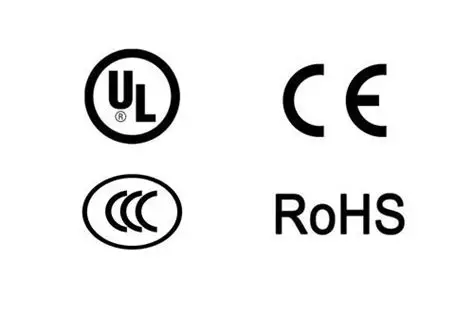
International standards and certifications in the pin header industry are crucial for ensuring the quality, safety, and compatibility of connector products. The...
