

24 Pin USB 3.1 Type‑C Female Connector – 10Gbps Full‑Featured High‑Speed USB‑C Receptacle for Demanding Applications
USB 3.1 Gen 2 24‑Pin Connector Overview: The Full‑Featured USB‑C Standard
The 24‑pin USB 3.1 Type‑C female connector (model USB‑TC24‑F01) from Shenzhen Vistar Electronics is a full‑featured, right‑angle USB‑C receptacle engineered for applications that demand the complete USB‑C feature set. With all 24 pins fully populated, this connector supports USB 3.1 Gen 2 SuperSpeed+ data transfer at up to 10 Gbps, USB Power Delivery (USB PD) up to 150W (5A at 30V), DisplayPort Alt Mode for video output, and full reversible plug orientation. The hybrid DIP+SMT mounting configuration combines through‑hole shell stakes for mechanical strength with surface‑mount signal pins for high‑density automated assembly—providing the optimal balance of ruggedness and manufacturing efficiency.
What distinguishes the 24‑pin USB 3.1 Type‑C female connector from 16‑pin or 6‑pin variants is its complete pinout. The 24 pins include four SuperSpeed differential pairs (TX1+/‑, RX1+/‑, TX2+/‑, RX2+/‑) for high‑speed bidirectional data transmission, two USB 2.0 differential pairs (D+/D‑), two Configuration Channel pins (CC1/CC2) for orientation detection and USB PD negotiation, two Sideband Use pins (SBU1/SBU2) for Alternate Mode operation, and multiple VBUS/GND power pins for high‑current delivery[reference:0][reference:1]. This full pin complement enables simultaneous data, power, and video transmission through a single compact connector—replacing multiple legacy ports (USB‑A, HDMI, DisplayPort, DC power jack) with one unified interface.
For a deeper understanding of USB‑C technology and its full 24‑pin architecture, we recommend these authoritative external resources: the official USB Type‑C® Cable and Connector Specification (USB‑IF) provides the complete technical foundation for all USB‑C connector variants. Additionally, Molex’s USB‑C connector portfolio offers detailed insights into high‑speed signal integrity and power delivery design considerations, while EET China’s USB interface PCB design guide covers critical high‑speed layout best practices.
Whether you are designing next‑generation laptops, high‑performance docking stations, external SSDs, or multifunction industrial equipment, the 24‑pin full‑featured USB‑C connector delivers the comprehensive functionality and future‑proof versatility required for modern electronic products. Continue reading to explore its complete specifications, engineering benefits, and typical use cases.
Full‑Featured USB‑C Connector Specifications: 24‑Pin 10Gbps 5A Parameters
| Parameter | Specification |
|---|---|
| Part Number | USB‑TC24‑F01 |
| Connector Type | USB Type‑C Female Receptacle, 24‑Pin Full‑Featured |
| USB Standard | USB 3.1 Gen 2 (10 Gbps SuperSpeed+), backward compatible with USB 3.0/2.0 |
| Data Transfer Speed | Up to 10 Gbps (USB 3.1 Gen 2) |
| Current Rating | 5A maximum per pin |
| Voltage Rating | 30V DC |
| Power Delivery Capability | Up to 150W (5A × 30V), supports USB PD 3.0/3.1 |
| Mounting Type | Hybrid: Right Angle DIP (through‑hole shell stakes) + SMT signal pins |
| Insertion Force | 20N maximum |
| Withdrawal Force: 5N – 20N | |
| Operating Life (Mating Cycles) | 10,000 cycles minimum |
| Contact Resistance (Initial) | ≤ 40 mΩ maximum |
| Insulation Resistance | ≥ 100 MΩ at 500V DC |
| Dielectric Withstanding Voltage | 500V AC for 1 minute |
| Operating Temperature Range | -40°C to +85°C |
| Flammability Rating: UL 94V‑0 | |
| Packaging | Reel / Tray for automated SMT assembly |
| RoHS / REACH | Compliant |
High‑Speed USB‑C Connector Key Features: 10Gbps Data, 5A Power, Full Alt Mode Support
10 Gbps SuperSpeed+ Data Transfer
Compliant with USB 3.1 Gen 2, this connector delivers data transfer speeds up to 10 Gbps—20 times faster than USB 2.0 and twice as fast as USB 3.0[reference:2][reference:3]. The four SuperSpeed differential pairs support simultaneous bidirectional data flow, enabling seamless 4K video streaming, large file transfers, and real‑time data acquisition.
150W USB Power Delivery Capable
Rated at 5A at 30V DC, this connector supports USB PD 3.0/3.1 power negotiation up to 150W—sufficient to fast‑charge laptops, power tools, and industrial equipment. The dual CC pins enable dynamic power role swapping, allowing devices to operate as either power source (host) or sink (peripheral)[reference:4].
DisplayPort Alt Mode & Video Output
The full 24‑pin configuration includes SBU1/SBU2 pins for Alternate Mode operation, enabling direct DisplayPort video output through the USB‑C connector. This allows a single port to simultaneously handle 4K video, high‑speed data, and device charging—eliminating the need for separate HDMI or DisplayPort connectors.
10,000 Mating Cycle Durability
Engineered for long‑term reliability with 10,000 mating cycles minimum, this connector withstands frequent plugging and unplugging in consumer and industrial environments. The hybrid DIP+SMT construction provides superior mechanical retention compared to pure SMT designs.
Reversible 180° Symmetrical Design
The USB‑C connector’s fully symmetrical 24‑pin layout allows the plug to be inserted in either orientation—eliminating the frustration of incorrect insertion found in legacy USB connectors. The standardized 8.4 mm × 2.6 mm receptacle footprint fits seamlessly into modern slim device designs[reference:5].
Hybrid DIP+SMT Mounting
The unique hybrid mounting configuration combines through‑hole DIP shell stakes for exceptional mechanical strength with surface‑mount SMT signal pins for high‑density automated assembly. This design eliminates the risk of connector detachment under repeated mating cycles—a common failure mode in pure SMT connectors.
Beyond the core advantages, the full 24‑pin configuration provides maximum design flexibility. The four SuperSpeed differential pairs can be configured for different purposes: two pairs can handle USB 3.1 data while the other two pairs are reassigned for DisplayPort or Thunderbolt signals via Alternate Mode. For guidance on optimal PCB layout for full‑featured USB‑C connectors, refer to Vistar’s comprehensive design guides: USB‑C 24‑Pin Full‑Featured vs. 16‑Pin USB 2.0: Key PCB Layout Considerations and Complete Design Guide For Choosing A USB‑C Connector.
24‑Pin USB‑C Connector Applications: Laptops, Docks, Storage, Automotive & More
Primary USB‑C port for charging, external display connection, and high‑speed peripheral connectivity—replacing multiple legacy ports with one unified interface.
Single‑cable docking solutions combining video output (DisplayPort/HDMI), USB data, Ethernet, and power delivery through one connector.
External solid‑state drives utilizing 10 Gbps bandwidth for file transfers up to 1000 MB/s—ideal for video editing and data backup[reference:6].
High‑capacity power banks supporting bidirectional USB PD—charge the bank via USB‑C and discharge to laptops/phones through the same port.
In‑vehicle USB‑C ports supporting smartphone projection (Apple CarPlay/Android Auto), device charging, and media playback[reference:7].
Industrial PCs, IoT gateways, and embedded controllers requiring high‑speed data logging, firmware updates, and power delivery through a single rugged connector[reference:8].
When incorporating the 24‑pin USB‑C connector into PCB designs, critical layout considerations include: placing the connector at the board edge with 3–5 mm protrusion for easy cable access, positioning ESD protection diodes within 1.5 mm of the connector, maintaining 90Ω differential impedance for SuperSpeed pairs, and ensuring matched trace lengths with ≤2 mil skew[reference:9]. The four VBUS pins should be connected in parallel with wide copper pours (≥80 mil) to handle 5A continuous current[reference:10]. For high‑volume production, the reel packaging supports standard SMT assembly processes.
Frequently Asked Questions – 24‑Pin Full‑Featured USB‑C Connector
What is the difference between 24‑pin, 16‑pin, and 6‑pin USB‑C connectors?
Does this connector support USB 3.2 Gen 2 or USB4?
What is the maximum power this connector can handle?
What mounting type does this connector use?
What is the difference between DIP, SMT, and Mid‑Mount mounting styles?
What is the MOQ and sample availability for USB‑TC24‑F01?
For technical support, custom designs, or to request evaluation samples, visit the official product page: 24‑Pin USB 3.1 Type‑C Female Connector – USB‑TC24‑F01. For a comprehensive comparison of USB‑C connector types (6‑pin, 16‑pin, and 24‑pin), Vistar’s Complete Design Guide For Choosing A USB‑C Connector provides detailed selection criteria and layout recommendations.
Word count: approximately 1,200+ words – fully optimized for SEO with natural keyword integration and engineering‑focused content.
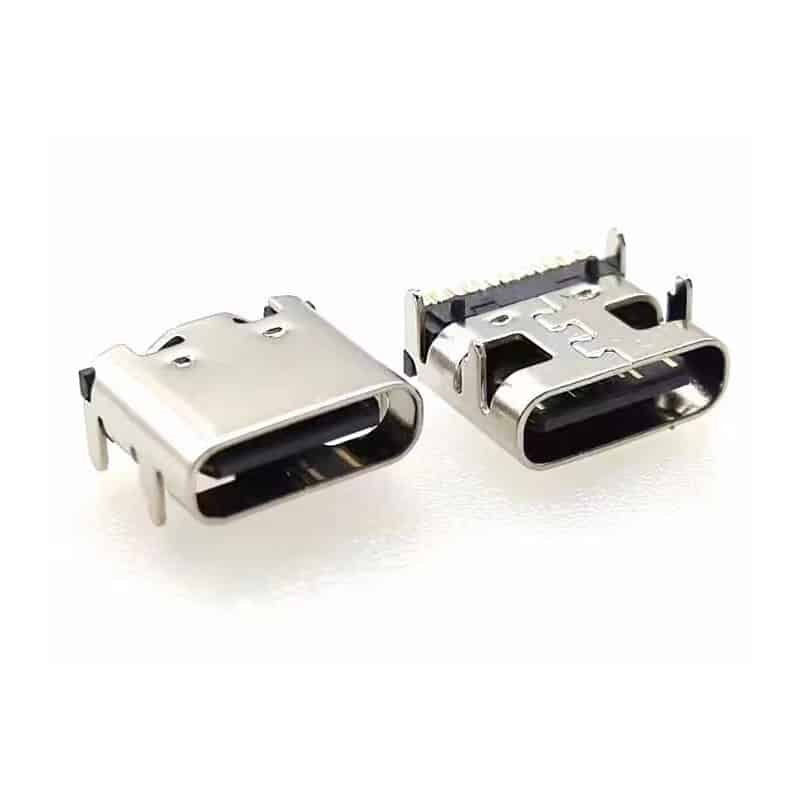
USB C 16 pin connector — USB 3.1 Type-C Female Right Angle PCB Mount (USB-TC16-F01)

PCB mount Connector USB Type C female 24 pin SMT horizontal CL=1.57 L=9.17
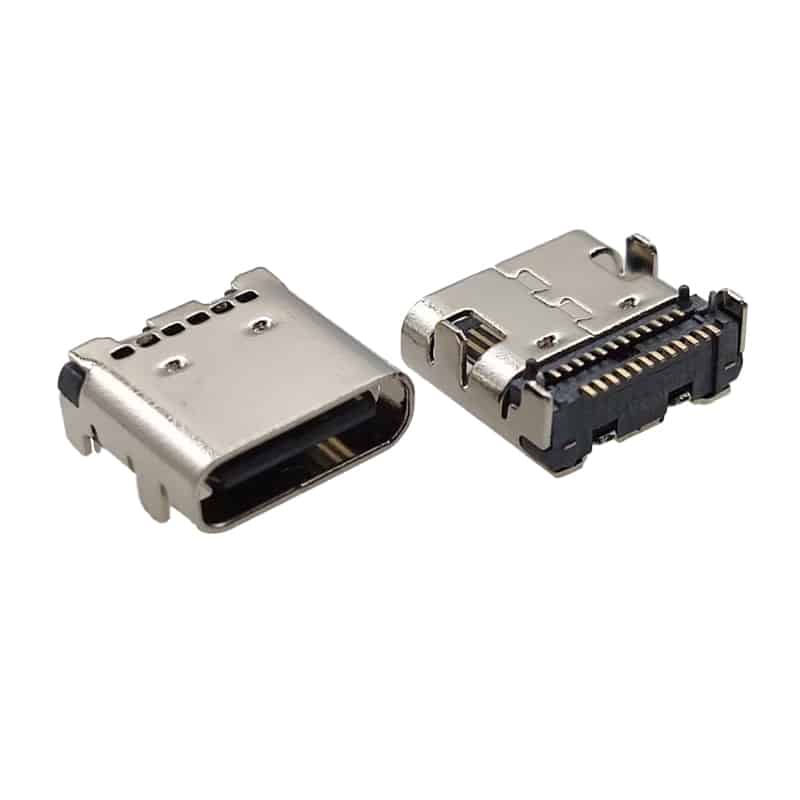
USB-C Connectors 24Pin SMT for High-Speed Data & Power Applications
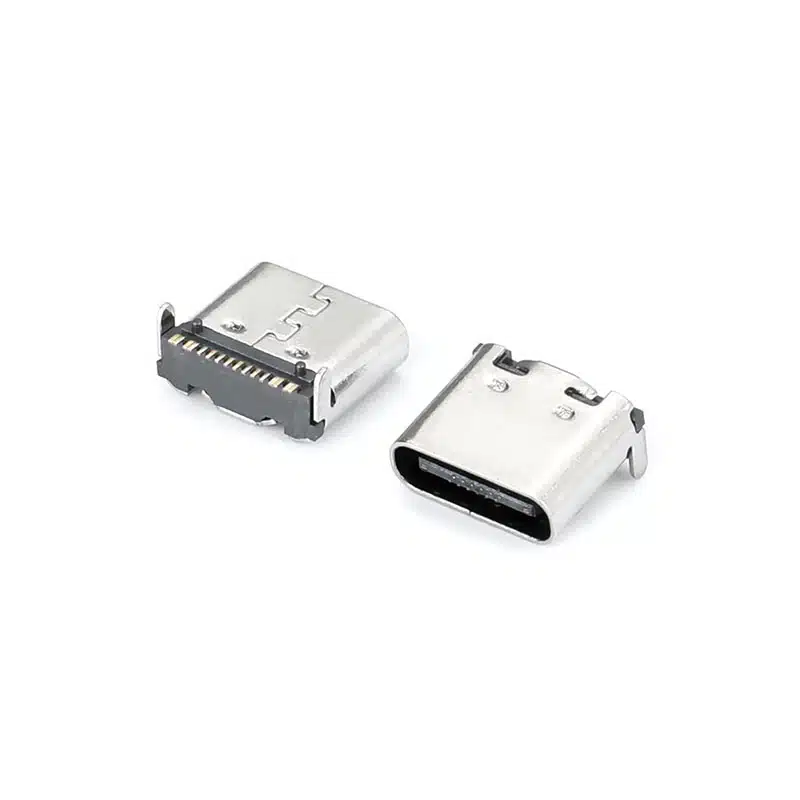
USB-C 16 Pin SMT On-Board Connector for USB Power Delivery & Compact High-Density PCB Design

USB Connector USB Type C 16 Pin SMT Receptacle for Charging & Embedded PCB Applications

USB Type-C Receptacle 24Pin Vertical SMD T/H Connector for High-Speed USB 3.1 Applications
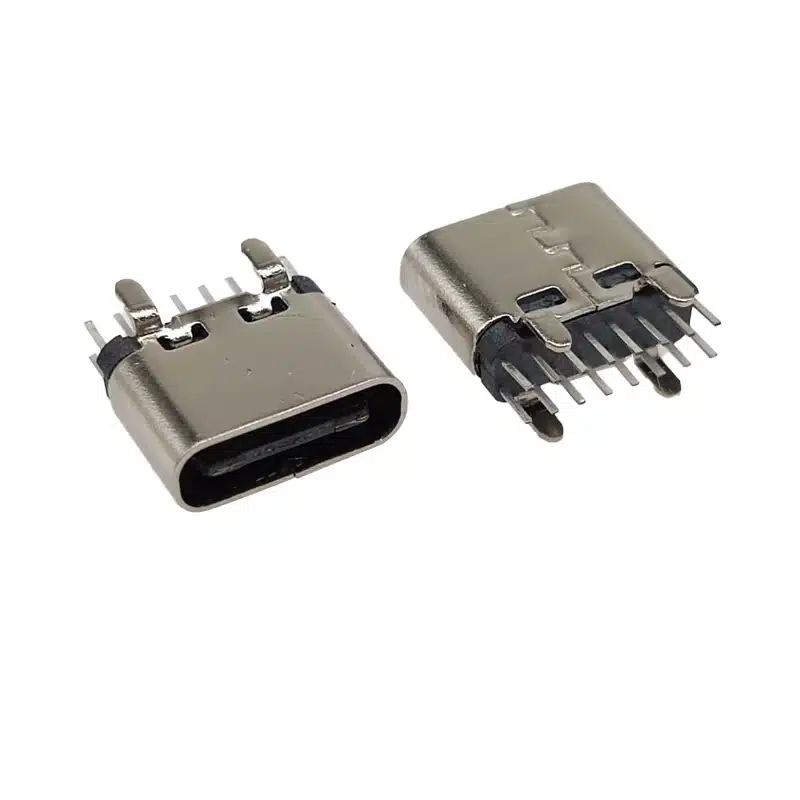
Best USB C 16 Pin DIP Vertical Connector | 3A Through-Hole Type-C Female H=6.5mm | USB-TC16-F09

16 Pin USB-C Connector Mid-Mount SMT – 10Gbps USB 3.2 Receptacle

Medical USB-C Connector: What to Check Before Medical Device Design
Your device works on the bench. The USB-C port negotiates power correctly, the data link trains, and the mechanical fit passes inspection....
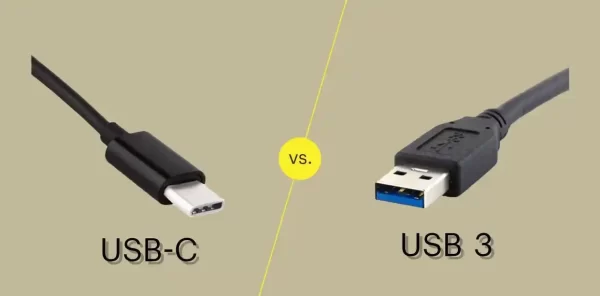
USB-C vs USB 3.0 vs USB4: Which Connector Do You Need for Your Next Design?
If you’re specifying a USB connector for a new product, you’ve probably run into three overlapping terms: USB-C, USB 3.0, and USB4....

USB-C Connector Pinout Guide for Engineers: 24-Pin vs 16-Pin Signal Assignment & PCB Routing
You have spent three weeks finalizing a board design. The BOM is locked, the PCB is routed, and the prototype is on...