

USB 3.1 Type-C Connector 24 Pin for High-Speed Data and Power Applications
USB 3.1 Type-C Connector 24 Pin Overview
The USB 3.1 Type-C Connector 24 Pin is engineered for modern electronic products requiring high-speed data communication, reliable power delivery, and compact PCB integration. Featuring a fully reversible Type-C interface and 24-pin architecture, this connector supports advanced USB functionality while maintaining excellent signal integrity and mechanical durability.
As USB Type-C technology becomes the standard interface across consumer electronics, industrial equipment, communication devices, and embedded systems, manufacturers require connectors capable of supporting high-speed data transfer, USB Power Delivery (PD), and long-term reliability. This connector is specifically designed to meet those requirements while simplifying product development.
The 24 pin USB Type C connector provides complete support for USB 3.1 signal routing, power channels, CC communication lines, and auxiliary functions. Its optimized terminal design helps reduce insertion loss and improves overall transmission performance for demanding applications.
Built with precision SMT mounting technology, the connector enables automated PCB assembly while maintaining excellent solder joint strength. The compact structure helps engineers maximize PCB space utilization without sacrificing electrical performance.
The USB Type C female connector is widely used in laptops, tablets, docking stations, industrial controllers, IoT gateways, communication equipment, charging devices, smart home products, and portable electronics where reliable connectivity is essential.
For USB Type-C design standards and compliance requirements, engineers may review official resources from
USB Implementers Forum (USB-IF)
and
IEC International Standards.
Combining compact dimensions, robust electrical performance, and advanced USB-C functionality, the USB 3.1 Type-C Connector 24 Pin provides an excellent solution for next-generation electronic product development.
24 Pin USB Type C Connector Specifications
| Parameter | Specification |
|---|---|
| Product Name | USB 3.1 Type-C Connector 24 Pin |
| Part Number | USB-TC24-F17 |
| Connector Type | USB Type-C Female Receptacle |
| Pin Count | 24 Pins |
| USB Standard | USB 3.1 |
| Mounting Type | SMT Surface Mount |
| Current Rating | Up to 5A |
| Voltage Rating | 30V DC |
| Data Transfer Speed | Up to 10Gbps |
| Contact Resistance | 40mΩ Max |
| Insulation Resistance | 100MΩ Min |
| Durability | 10,000 Mating Cycles |
| Operating Temperature | -40°C to +85°C |
| Housing Material | High Temperature Thermoplastic |
| Contact Material | Copper Alloy |
| Compliance | RoHS & REACH |
| Applications | Consumer, Industrial & Embedded Electronics |
USB Type C Female Connector Features
USB 3.1 High-Speed Performance
Supports data transmission speeds up to 10Gbps for demanding electronic applications.
USB Power Delivery Ready
Supports high-current charging and modern USB-C power management architectures.
Reversible Type-C Interface
User-friendly connector design enables plug insertion in either orientation.
Compact SMT Structure
Optimized for automated PCB assembly and compact electronic device layouts.
Reliable Signal Integrity
Advanced contact design helps maintain stable signal transmission performance.
Strong Mechanical Retention
Robust housing and solder structure improve durability during repeated use.
Industrial Operating Range
Designed for reliable operation across demanding environmental conditions.
RoHS & REACH Compliant
Environmentally compliant materials support global manufacturing requirements.
Applications of USB C SMT Connector
Advantages of USB Type C PCB Connector Technology
The adoption of USB Type C PCB connector technology continues to accelerate across multiple industries because it combines power delivery, high-speed communication, compact design, and ease of use within a single interface. Unlike older USB connector generations, USB Type-C supports reversible insertion, reducing user frustration and improving overall device usability.
The connector’s advanced pin architecture allows manufacturers to implement charging, communication, video transmission, and peripheral connectivity through a single compact port. This simplifies PCB layouts and reduces the number of external interfaces required on modern electronic products.
For industrial equipment, communication systems, and embedded computing platforms, the high speed USB C connector provides a reliable solution capable of handling frequent mating cycles while maintaining consistent electrical performance. Its compact SMT design also supports automated production processes, helping manufacturers improve assembly efficiency and product quality.
As USB-C becomes the global standard interface, integrating a reliable USB C charging connector helps future-proof products and ensures compatibility with a wide range of accessories, chargers, and peripheral devices.
Frequently Asked Questions
What is a USB 3.1 Type-C Connector 24 Pin?
Does this connector support USB Power Delivery?
What data speed does this connector support?
Is SMT mounting suitable for automated production?
What industries commonly use this connector?
Where can I learn more about USB Type-C standards?

USB 3.1 Type-C Connector 24 Pin SMT Female Receptacle

24 Pin USB Type-C Female Connector for USB 3.1 High-Speed & Fast Charging Applications

USB 3.2 Gen 2 Type-C Connector 24 Pin for 10Gbps High-Speed & Fast Charging Devices
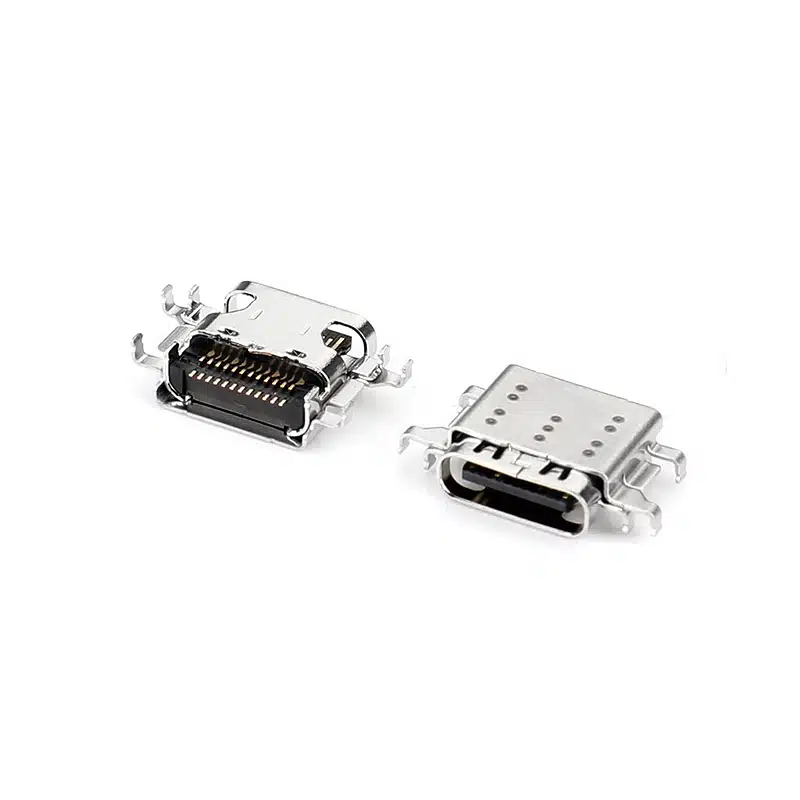
24 Pin USB-C Connector Female SMT | USB 4.0 Type-C Receptacle | Vistar Electronics

USB Type C Surface Mount Connector 16P — USB-TC16-F04 16 Pin SMD Horizontal Receptacle with 5A Rating

USB4 Type-C Receptacle 24 Pin Single Row for 40Gbps High-Speed PCB Applications
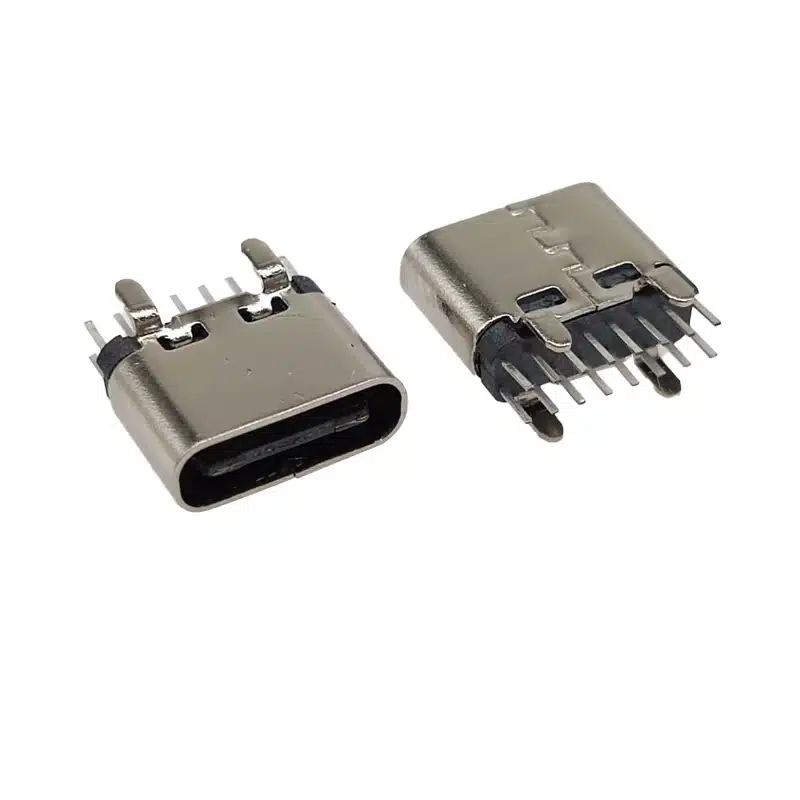
Best USB C 16 Pin DIP Vertical Connector | 3A Through-Hole Type-C Female H=6.5mm | USB-TC16-F09

USB 3.2 Gen 2 Type-C Connector 24 Pin SMT Female Receptacle for 10Gbps High-Speed Devices

Medical USB-C Connector: What to Check Before Medical Device Design
Your device works on the bench. The USB-C port negotiates power correctly, the data link trains, and the mechanical fit passes inspection....
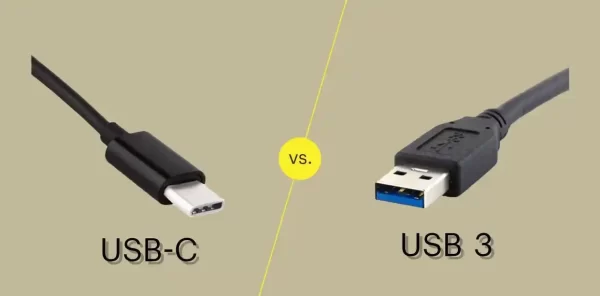
USB-C vs USB 3.0 vs USB4: Which Connector Do You Need for Your Next Design?
If you’re specifying a USB connector for a new product, you’ve probably run into three overlapping terms: USB-C, USB 3.0, and USB4....

USB-C Connector Pinout Guide for Engineers: 24-Pin vs 16-Pin Signal Assignment & PCB Routing
You have spent three weeks finalizing a board design. The BOM is locked, the PCB is routed, and the prototype is on...