USB-C 24 Pin Connector Design Guide: 9 Critical Factors Engineers Must Evaluate Before Finalizing Their BOM

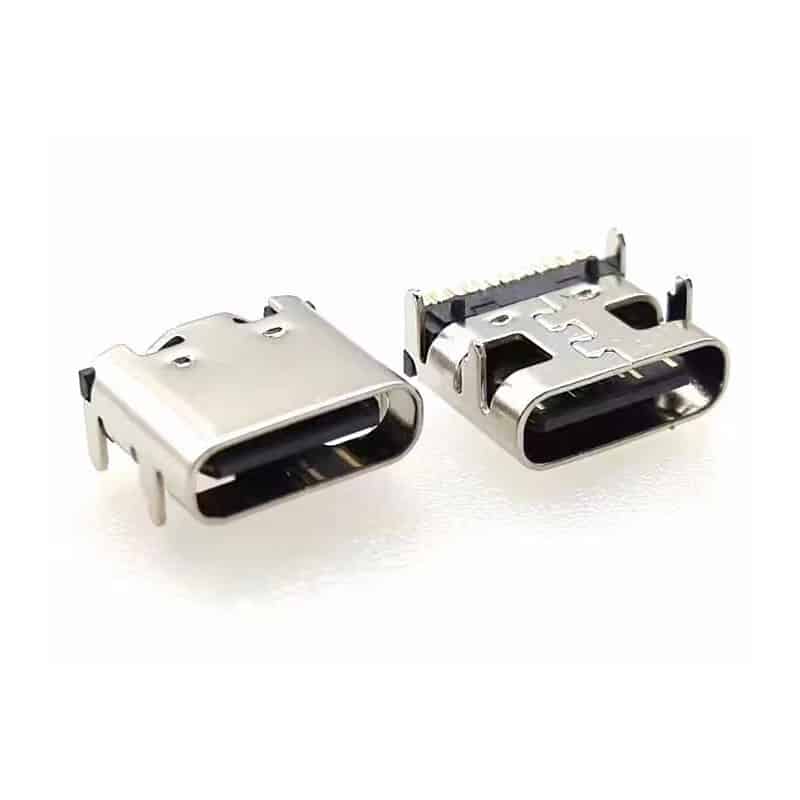
USB-C 24 pin connector

Learn how to choose the right USB-C 24 pin connector for USB4, USB 3.2 and Power Delivery applications. Compare mounting styles, PCB layout, pin configurations and engineering considerations. You have just finished the schematic. The PCB layout is fifty percent routed. Then you realize the USB-C connector you specified is out of stock — or … Read more

RJ45 Connector Types: Shielded vs Unshielded — A Field Engineer’s Guide to Smarter Procurement

rj45 connector

The Quiet Failure That Costs Thousands A procurement manager in Stuttgart once sent me a batch of unshielded RJ45 connectors for a new automotive assembly line. The installation looked clean. The cable tests passed. Three weeks later, the network began dropping packets every time the welding robots cycled. The root cause was not a bad … Read more

Detector Switch vs Micro Switch: What’s the Difference?

detector switch vs micro switch

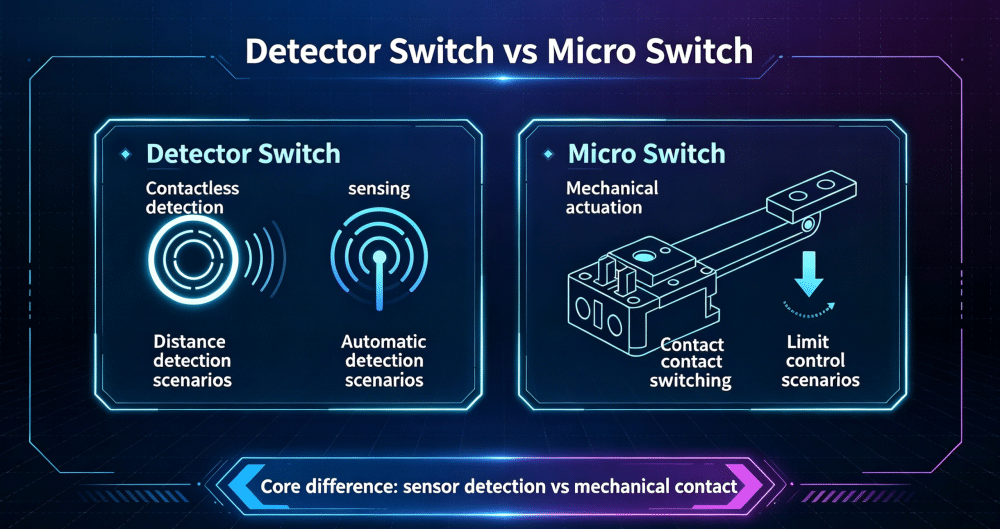
Detector Switch vs Micro Switch: What’s the Difference? When a product fails in the field, engineers often investigate firmware bugs, PCB defects, or component quality issues. Surprisingly, many failures originate from a much simpler source: selecting the wrong sensing switch. A common example occurs in consumer electronics and industrial equipment where designers use a micro … Read more

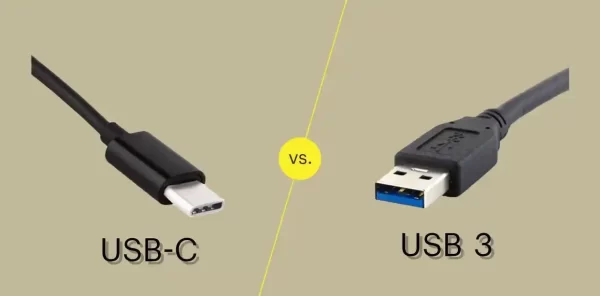
USB-C vs USB 3.0 vs USB4: Which Connector Do You Need for Your Next Design?

USB-C vs USB 3.0 vs USB4

If you’re specifying a USB connector for a new product, you’ve probably run into three overlapping terms: USB-C, USB 3.0, and USB4. They sound like a version progression, but they actually answer three different questions — connector shape, data speed, and protocol capability. Choosing wrong can mean redesigning your PCB six months into production. This … Read more

What Is a Crystal Oscillator? How It Works, Types & Applications

what is crystal oscillator

What Is Crystal Oscillator?—quartz crystal, piezoelectric effect, oscillation circuit, and frequency generation. A complete guide for engineers and buyers. You are designing a new wireless communication module. The datasheet calls for a stable clock source—something that will keep the RF carrier frequency locked, the microcontroller running at the correct speed, and the data transmission free … Read more

FPC Connector Types Explained: Complete Guide to Pitch, Contact, Mounting & Locking Styles

FPC connector types

Complete guide to FPC connector types—pitch options, top vs bottom contact, ZIF vs non-ZIF, mounting styles, and locking mechanisms. Learn how to choose the right FPC connector for your design. You are laying out a new smartphone display module. The PCB is densely packed, the display driver needs to connect to the main board through … Read more

Slide Switch Ultimate Guide: Types, Wiring and Applications

slide switches

Learn everything about Slide Switch Guide including types, wiring diagrams, SPDT vs DPDT differences, PCB design, and applications. A complete guide for engineers and OEM product designers. You are laying out the control panel for a new industrial instrument. The design calls for a switch that lets the user select between two operating modes—and it … Read more

HDMI Type A vs Type C vs Type D: Key Differences Explained

HDMI Type A vs Type C vs Type D

You have designed a compact camera module. The PCB is tightly packed, every square millimeter counts, and the enclosure has exactly 6mm of clearance for the HDMI port. The standard HDMI footprint—14mm wide—simply does not fit. You need a smaller connector, but which one? This is the reality of modern electronics design. HDMI has become … Read more

USB-C Connector Types Explained: A Complete Guide for Engineers and Buyers

USB-C Connector Types

If you’re a hardware engineer or sourcing professional selecting USB-C connectors for your next PCB design, understanding the different USB-C connector types by pin count, mounting style, and waterproof rating is critical. USB Type-C has become the universal connector for consumer electronics, industrial devices, automotive systems, and charging applications. However, many engineers and buyers are … Read more

Pushbutton Switch Wiring Diagram: Reading the Schematic Behind the Physical Switch

Pushbutton switch wiring diagram

A control panel builder completed the final wiring on a motor starter cabinet and applied power for the first time. The motor should have started on the green button press. Instead, the contactor chattered violently for three seconds before the upstream breaker tripped. The wiring diagram on the shop drawing showed a standard start-stop circuit. … Read more

Crystal Oscillator vs Crystal Resonator: Key Differences and How to Choose

crystal oscillator vs crystal resonator

Compare crystal oscillator vs crystal resonator—internal structure, active vs passive, accuracy, cost, and applications. Learn how to choose the right timing component for your PCB design. You are laying out a new microcontroller-based design. The datasheet calls for a 16MHz clock source. You add a 16MHz crystal to your BOM, place it on the PCB, … Read more

SPDT vs DPDT Slide Switch: What’s the Difference?

SPDT vs DPDT slide switch

Learn the difference between SPDT vs DPDT slide switches, including circuit structure, wiring diagrams, and applications. Understand when to choose 3-pin SPDT or 6-pin DPDT slide switches for PCB design. You are designing a control interface for a professional audio mixer. The product needs a switch that can route two independent audio signals simultaneously—left and … Read more

SPST vs SPDT Pushbutton Switch: What’s the Difference?

SPST vs SPDT pushbutton switch

Learn the difference between SPST vs SPDT pushbutton switches. Compare wiring, circuit functions, applications and selection guide for PCB and industrial electronic designs. You are designing the control interface for a new industrial instrument. The product specification calls for a single pushbutton that can either turn a system on and off or switch between two … Read more

2.5mm vs 3.5mm vs 6.35mm Audio Jack — PCB Mounting, TRS/TRRS & Selection Guide for Engineers

2.5mm vs 3.5mm vs 6.35mm audio jack

Compare 2.5mm vs 3.5mm vs 6.35mm audio jack sizes—TRS vs TRRS, key specifications, applications, and selection criteria for engineers and procurement professionals. You are specifying the audio connector for a new portable communication device. The industrial design team has delivered an enclosure with exactly 4mm of clearance for the audio port. The 3.5mm jack you … Read more

China Electronic Connector Industry: Market Status, Trends & Opportunities

China Electronic Connector Industry

You are sourcing connectors for a new product line. The bill of materials lists parts from TE Connectivity, Molex, and Amphenol. Your cost targets are aggressive. Your delivery timeline is tight. And somewhere in the back of your mind, you wonder: Is there a reliable alternative? This is the question thousands of procurement professionals and … Read more

Automotive FPC Connector: 5 Proven Strategies to Boost Reliability in High-Vibration Environments

车载FPC连接器

Driven by the global wave of automotive electronics intelligence, FPC (Flexible Printed Circuit) connectors have become indispensable components in modern vehicle electronic systems. According to industry data, the global automotive FPC connector market reached USD 1.45 billion in 2024 and is projected to grow to USD 2.74 billion by 2033, with a CAGR of 7.2%. … Read more

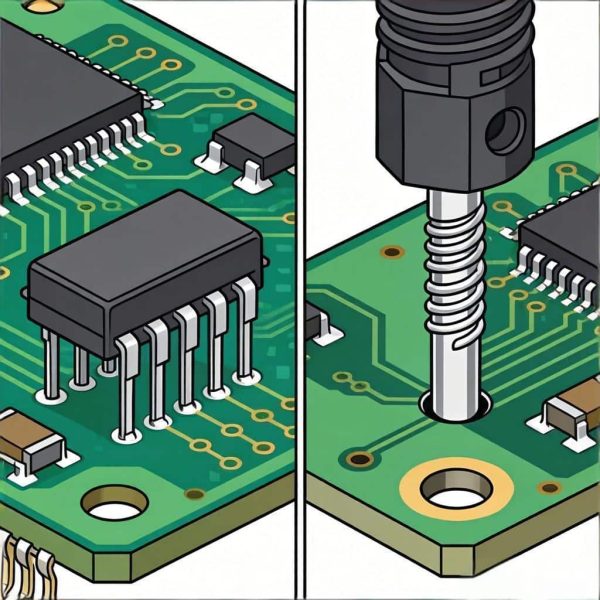
USB C SMT vs Through Hole: 7 Critical PCB Differences

usb c smt vs through hole

Compare USB C SMT vs through hole connectors across mechanical strength, PCB footprint, signal integrity, assembly cost, and reliability. Includes selection guide and product examples. You have a USB-C connector on your BOM. The electrical specification checks out: 24 pins, USB 3.2 Gen 2, 5A power delivery. Then the mechanical engineer asks a question that … Read more

USB C 16 pin connector — USB 3.1 Type-C Female Right Angle PCB Mount (USB-TC16-F01)

USB C 16 pin connector

Product Overview The USB C 16 Pin Connector Right Angle PCB Mount is a compact and reliable USB Type‑C female connector designed for modern electronic devices requiring efficient board‑level integration, stable charging performance, and durable mechanical reliability. Featuring a right‑angle PCB mounting structure, this connector is optimized for compact electronic products where horizontal PCB orientation … Read more

USB Type-C vs DisplayPort: Which Connector for Your Application?

USB Type-C vs DisplayPort

Introduction In modern electronics, embedded systems, and display applications, USB Type-C and DisplayPort are two of the most widely used high-performance digital interfaces. While they can overlap thanks to DisplayPort Alt Mode, they serve distinct design goals and perform differently in real-world use cases—especially for industrial, automotive, and consumer electronics OEM/ODM projects. Choosing the right … Read more

Request a Quote

    Inquiry for:

    Loading product...