

USB 3.1 Gen 2 Type-C Motherboard Connector 24pin
USB Type-C Motherboard Connector Overview
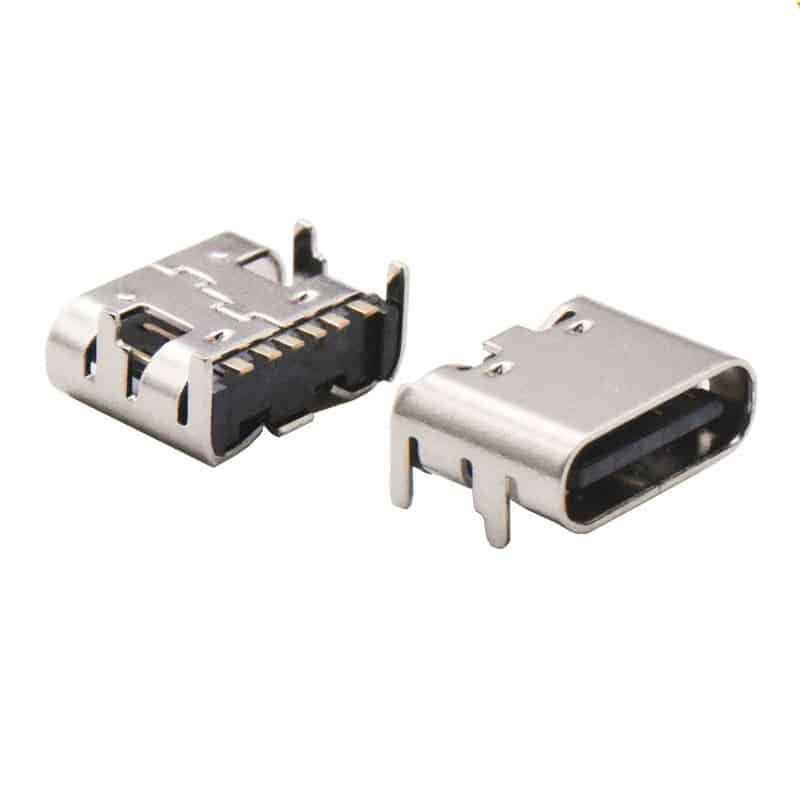
The USB 3.1 Gen 2 Type-C Motherboard Connector is engineered for modern electronic devices requiring high-speed data communication, compact PCB integration, and reliable power delivery. Featuring a fully reversible Type-C interface and 24-pin architecture, this connector supports next-generation connectivity standards across consumer electronics, industrial equipment, communication devices, and embedded systems.
As USB Type-C technology becomes the universal interface for data, video, and power transmission, manufacturers increasingly require durable and space-efficient connectors capable of supporting advanced system functionality. This USB Type-C motherboard connector provides a dependable solution for PCB-level integration while maintaining excellent electrical performance.
The connector supports USB 3.1 Gen 2 technology with data transfer rates up to 10Gbps, enabling fast communication between host devices and peripherals. Its optimized contact design ensures stable signal integrity while minimizing transmission losses during high-speed operation.
Designed for motherboard and PCB applications, the connector utilizes precision SMT mounting technology, allowing efficient automated assembly and reliable solder retention. The reinforced shell structure enhances mechanical strength while protecting the interface from repeated insertion cycles.
This USB-C PCB connector is suitable for laptops, tablets, industrial control systems, smart home devices, docking stations, communication equipment, gaming devices, and various embedded electronics requiring compact high-performance connectivity.
For additional information regarding USB Type-C standards and specifications, engineers may reference
USB Implementers Forum (USB-IF)
and
IEC International Standards.
Combining compact dimensions, robust construction, and high-speed performance, the USB 3.1 Gen 2 Type-C Motherboard Connector delivers an ideal connectivity solution for modern electronic product development.
24 Pin USB Type-C Connector Specifications
| Parameter | Specification |
|---|---|
| Product Name | USB 3.1 Gen 2 Type-C Motherboard Connector |
| Part Number | USB-TC24-F05 |
| Connector Type | USB Type-C Female Receptacle |
| Pin Count | 24 Pins |
| USB Standard | USB 3.1 Gen 2 |
| Data Transfer Rate | Up to 10Gbps |
| Mounting Type | SMT PCB Mount |
| Connector Orientation | Horizontal Right Angle |
| Current Rating | Up to 5A |
| Voltage Rating | 20V DC |
| Contact Material | Copper Alloy |
| Contact Plating | Gold Plated Contacts |
| Shell Material | Stainless Steel |
| Durability | 10,000 Mating Cycles |
| Operating Temperature | -40°C to +85°C |
| Compliance | RoHS & REACH |
| Application | Motherboards & Embedded Electronics |
USB 3.1 Gen 2 Connector Key Features
10Gbps High-Speed Data Transfer
Supports USB 3.1 Gen 2 technology for fast and reliable communication between devices.
USB Power Delivery Support
Capable of carrying high current for charging and power distribution applications.
Reversible Type-C Interface
User-friendly reversible insertion improves usability and product reliability.
Enhanced Signal Integrity
Optimized contact geometry helps maintain stable high-speed signal transmission.
SMT Automated Assembly
Designed for efficient PCB manufacturing and automated production processes.
Robust Mechanical Design
Reinforced shell construction improves retention strength and connector durability.
Multi-Function Connectivity
Supports data transfer, charging, and various modern USB Type-C applications.
RoHS & REACH Compliant
Environmentally compliant materials support global electronic manufacturing requirements.
Applications of Type-C Female Connector
Why Choose a Motherboard USB Connector for Modern Electronics
The growing adoption of USB Type-C technology has transformed the way electronic devices handle connectivity. Compared with previous USB standards, USB Type-C connectors provide a smaller footprint, higher data throughput, and improved power delivery capability while supporting reversible insertion.
A modern motherboard USB connector must deliver excellent signal integrity, mechanical durability, and manufacturing efficiency. This makes USB Type-C the preferred choice for designers developing next-generation laptops, industrial systems, smart devices, and communication equipment.
The 24-pin architecture enables advanced functionality including high-speed USB communication, charging support, alternate modes, and future expansion capabilities. Combined with SMT assembly compatibility, manufacturers can achieve both high production efficiency and long-term product reliability.
As electronic devices continue becoming smaller and more powerful, USB Type-C motherboard connectors remain a critical component enabling seamless connectivity across consumer, industrial, and commercial applications.
Frequently Asked Questions
What is a USB 3.1 Gen 2 Type-C motherboard connector?
Does this connector support USB Power Delivery?
What is the advantage of a 24-pin USB Type-C connector?
What industries use motherboard USB Type-C connectors?
How many mating cycles does the connector support?
Where can I learn more about USB Type-C standards?

USB4 Female Type c USB connector 24 Pin mid-mount SMT CL=0.5mm L=8.17mm
USB Type C SMD Connector 6 Pin Female Receptacle

24 Pin Vertical USB C Connector for SMT PCB Mounting

USB c motherboard connector SMT horizontal 24P USB4.0 type-c female CL=0.5MM l=9.17

24 pin Vertical USB-C SMT Connector

USB-C Receptacle Pinout – 24-Pin SMT Mid-Mount Connector

16 Pin USB 3.1 C-Type Receptacle SMT – Top-Mount 5A High-Current USB-C Connector for Fast Charging Designs

USB4 Type-C Connector 24 Pin Vertical SMT Female Receptacle

Waterproof USB-C Connector Guide: IP67, IP68 & Design for Harsh Environments
Is USB-C Waterproof? USB-C connectors are not inherently waterproof. A standard USB-C receptacle has no sealing against moisture or dust. Waterproof USB-C...

Connector Insertion and Extraction Force Testing Methods: A Comprehensive Analysis of Professional Guidelines and Cutting-Edge Practices
In today’s highly integrated electronic devices, connectors, as crucial bridges for signal transmission and power supply, directly determine the stability and security...

USB 2.0 vs USB 3.2 vs USB4: How the Protocol Version Determines Your Type-C Connector Pin Count
USB 2.0 vs USB 3.2 vs USB4 Type-C connector comparison. Learn how each protocol version determines pin count, PCB layout complexity, impedance...