

DIP Slide Switch 2P6T — SS-26D01 Through-Hole 2-Pole 6-Throw Slide Switch for PCB, Audio & Industrial Controls
The SS-26D01 is a DIP slide switch 2P6T — a dual‑pole 6‑throw through‑hole slide switch with 14 pins in a compact DIP package. Rated 0.3A at 12V DC, 10,000 mechanical cycles. Ideal for audio signal routing, industrial function selection, and test equipment mode switches. RoHS & REACH compliant. Tube packaging. MOQ 1,000 pcs. Free sample for qualified projects.
SS-26D01 DIP Slide Switch — 2P6T Through-Hole Slide Switch Product Overview
The SS-26D01 DIP slide switch is a dual‑pole 6‑throw slide switch packaged in a standard 14‑pin DIP footprint, designed for through‑hole PCB mounting. Unlike rotary or toggle switches, this DIP slide switch 2P6T provides linear slider actuation, making it exceptionally easy to use on front panels, test fixtures, and internal circuit boards where a clear visual indication of the selected position is needed. The 2‑pole 6‑throw configuration allows simultaneous switching of two independent signal channels across six distinct positions — perfect for audio input selection, voltage range switching, or microcontroller mode configuration.
Constructed with a high‑temperature PBT housing and brass terminals with gold‑over‑nickel plating, the SS-26D01 offers reliable low‑resistance contact (≤30 mΩ initial) and a mechanical life of 10,000 full‑travel cycles. The positive detent mechanism provides crisp feedback, preventing accidental mid‑position settling. With a compact body width of just 7.0mm and a row spacing of 7.62mm (0.3 inch), it fits standard prototyping boards and automated through‑hole assembly. This switch eliminates the need for complex digital multiplexers in many applications, providing a simple, direct‑wired signal routing solution.
2P6T DIP Slide Switch PCB — SS-26D01 Full Technical Specifications
| Parameter | Value | Notes |
|---|---|---|
| Part Number | SS-26D01 | Standard catalog item |
| Switch Type | Slide switch, DIP | 2 poles, 6 throws (2P6T) |
| Pin Count | 14 Pins (DIP) | 2 common + 6 positions per pole |
| Mounting Style | Through‑hole (DIP) | Wave or hand soldering |
| Actuator Style | Slide knob, top actuated | Extended or flush actuator |
| Pitch | 2.54mm (0.1″) | Row spacing 7.62mm |
| Mechanical Life | 10,000 cycles | Full travel, one cycle = slide through all positions and back |
| Electrical Rating | 12V DC, 0.3A | Resistive load |
| Contact Resistance | ≤30 mΩ (initial) | Gold over nickel plating |
| Insulation Resistance | ≥100 MΩ @ 100V DC | Between non‑connected terminals |
| Dielectric Strength | 250V AC (1 minute) | No breakdown |
| Contact Material | Phosphor Bronze, Gold over Nickel | Stable low‑level switching |
| Terminal Material | Brass, Gold over Nickel | Through‑hole solderable |
| Housing Material | PBT (UL94 V‑0), high‑temp | Wave‑solder compatible |
| Actuator Material | PBT or Nylon | Available in black or red |
| Operating Temperature | −20°C to +70°C | Commercial grade |
| Storage Temperature | −30°C to +80°C | — |
| Soldering Temperature | 260°C, 5s max (wave) | Per IEC 60068‑2‑20 |
| Packaging | Tube (25 pcs/tube) | Antistatic PVC tube |
Why Engineers Choose the Through-Hole Slide Switch 2P6T — Key Advantages
Dual‑Pole 6‑Throw Signal Routing
Switch two independent circuits across six distinct positions simultaneously — ideal for stereo audio, differential signals, or redundant control lines. This through-hole slide switch 2P6T replaces bulky rotary switches and complex digital multiplexers in a single compact package.
Positive Detent Mechanism
Each position clicks firmly into place, providing tactile and audible feedback to the user. This prevents ambiguous “between‑position” states that can cause intermittent contact or logic errors.
DIP Through‑Hole — Robust Mechanical Mounting
Fourteen through‑hole pins soldered into a 1.6mm PCB provide excellent resistance to sliding forces and mechanical shock. Unlike surface‑mount switches, the DIP anchor ensures long‑term reliability even with frequent actuation.
RoHS & REACH Compliant, Wave‑Solder Ready
Fully compliant with RoHS 3 (2015/863) and REACH SVHC. The PBT housing withstands wave‑solder temperatures up to 260°C for 5 seconds. For compliance details, see the ECHA REACH regulation.
Where to Use the DIP Slide Switch 6 Pole 2 Position — Applications for Audio, Industrial & Test Equipment
PCB Layout & Soldering Guidelines for the 14‑Pin DIP Slide Switch
Recommended Footprint
The SS-26D01 uses a standard 14‑pin DIP footprint with 2.54mm (0.1″) pitch and 7.62mm (0.3″) row spacing. Pad hole diameter should be 1.0 mm ±0.05 mm. Ensure at least 3 mm clearance around the actuator travel path so that the slider can be moved through all six positions without interference from adjacent components or enclosure walls.
Wave Soldering
Pre‑heat the PCB to 100–120°C for 60 seconds. Solder pot temperature: 250–260°C. Contact time per side: 3–5 seconds. Keep the switch body upright during soldering; do not submerge the actuator. Allow gradual cooling at 4–6°C per second.
Manual Soldering
Use a temperature‑controlled iron at 350°C with a 1.6 mm chisel tip. Solder each terminal for a maximum of 3 seconds. Work row by row, allowing the component to cool between rows. After soldering, cycle the switch through all positions to verify smooth operation.
DIP Slide Switch vs Rotary Switch: Choosing the Right Multi‑Position Selector
When a design calls for selecting one of several signal paths, both DIP slide switches and rotary switches can do the job, but they differ significantly in form factor and user experience. A 2P6T DIP slide switch PCB like the SS-26D01 offers linear slider motion, which naturally indicates the selected position by the physical location of the knob — ideal for horizontal front‑panel layouts or vertically stacked PCBs. Rotary switches require a circular dial and often more panel real estate, though they can offer more positions in a compact area.
The DIP slide switch’s through‑hole package integrates directly into the PCB without additional mounting hardware or wiring, reducing assembly cost and complexity. Its 14‑pin footprint is breadboard‑ and perfboard‑friendly, making it a favorite for prototyping. For applications needing 2‑pole, 6‑throw selection in a compact, easy‑to‑use linear form, the DIP slide switch often wins over rotary alternatives.
Long‑Term Reliability & Environmental Testing for the DIP Slide Switch
The SS-26D01 has been validated through a series of mechanical and environmental tests to guarantee 10,000 cycles of reliable operation. Key results include:
- Mechanical endurance: 10,000 complete slide cycles (position 1 to 6 and back). Contact resistance remained below 50 mΩ, and detent torque stayed within ±20% of initial.
- Vibration test: 10–500 Hz, 1.5 mm double amplitude, 2 hours per axis per IEC 60068‑2‑6. No momentary contact opening longer than 10 µs.
- Thermal shock: 50 cycles between −30°C and +80°C per IEC 60068‑2‑14. No housing cracks or actuator binding.
- Humidity aging: 96 hours at 40°C, 90–95% RH. Insulation resistance dropped by less than one decade, and no corrosion was observed on gold‑plated contacts.
For a complete test report, contact engineering@vistarelectronics.com.
Packaging, Compliance & Ordering Information for SS-26D01
All SS-26D01 DIP slide switch units are shipped in anti‑static PVC tubes (25 pieces per tube), compatible with automatic insertion equipment. The switch is fully lead‑free and wave‑solderable with SAC305 alloy. Custom actuator colors, gold thickness (up to 0.76 µm), and IP65 sealed boots are available upon request. Standard MOQ is 1,000 pieces. To request a free sample or volume quotation, contact sales@vistarelectronics.com with your company details and project application.
DIP Slide Switch 2P6T — Frequently Asked Questions
How do I read the pinout of the SS-26D01?
The 14 pins are arranged in two rows of 7. Each row has one common pin (usually at one end) and six position pins. Sliding the actuator connects the common pin to the selected position pin. Refer to the datasheet for the exact pin numbering relative to actuator position. Pin 1 is indicated by a dot on the switch body.
Can the SS-26D01 switch both audio channels and a control signal simultaneously?
Yes, because it is a dual‑pole switch. You can assign one pole to the left audio channel, the other pole to the right channel, and use a separate switch for control. Alternatively, use one pole for audio and the second for a DC control voltage.
What is the difference between 2P6T and 1P12T?
A 2P6T switch has two independent wipers that move together across six positions. A 1P12T switch has a single wiper and twelve positions. The SS-26D01 is 2P6T, so it can switch two circuits to the same position simultaneously.
Is a free sample available?
Yes, we provide free samples to qualified engineering teams. Send your request to sales@vistarelectronics.com with your company name, project details, and the part number SS-26D01. Standard MOQ for production is 1,000 pieces.
Can this switch handle battery‑charging currents?
The SS-26D01 is rated for 0.3A at 12V DC. It is suitable for signal‑level switching and low‑power applications. For higher currents, please consider our power slide switch series.

Vertical Slide Switch 2P4T for 10-Pin DIP PCB Applications

1p3t slide knob swi1P3T Slide Knob Switch Vertical — SS-13D01 3 Pin Vertical PCB Slide Switch with 1P2T Function tch vertical

2P5T Slide Switch Vertical DIP Type 12 Pin for Multi-Position PCB Applications

2 Pin Vertical Slide Switch 1P2T — SS-12D16 Right-Angle PCB Mount

DPDT slide switch Vertical 6pin

3 Pin Vertical Slide Switch 1P2T — SS-12D02 DIP SPDT Toggle Switch for Consumer Electronics, IoT & Industrial Control Panels

2 Way Slide Switch ON/OFF for Compact Circuit Control

2 Position SPDT Slide Switch for Reliable PCB Circuit Selection

Mini Slide Switches for Medical Devices: Selection Guide, Applications & Reliability
Selecting mini slide switches for medical devices? Get guidance on electrical ratings, sterilization, SMT vs through-hole, and reliability. Ensure patient safety. When...

Mini Slide Switch Reliability: 8 Factors That Affect Long-Term Performance
What really determines mini slide switch reliability? Explore 8 factors from contact material to PCB mounting that impact lifespan. Improve durability in...
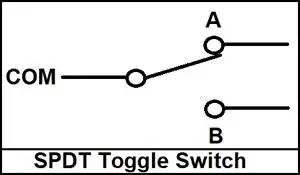
SPDT Slide Switch: A Classic Solution for Precision Control and Circuit Routing
In the control and signal path selection of electronic systems, slide switches have always held an indispensable position due to their intuitive...