

0.5mm ZIF FPC Connector — Lifting Cover Flip Lock, Horizontal SMT, H=2.0mm
0.5mm ZIF FPC Connector Lifting Cover Overview
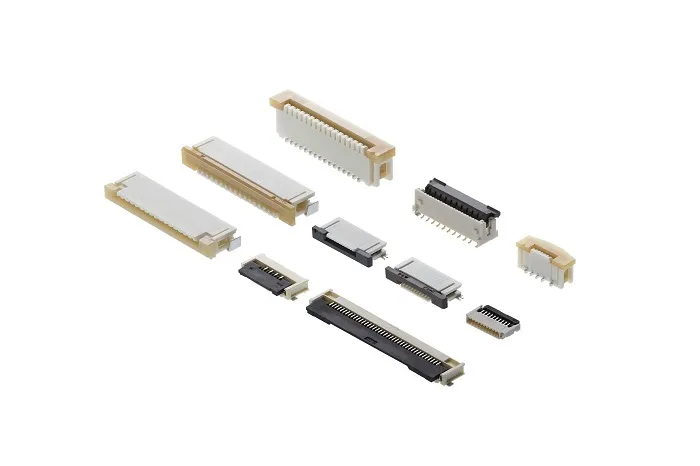
The 0.5 ZIF FPC Connector Lifting Cover is a high-precision board-to-board interconnection solution designed for flexible printed circuits (FPC) and flat flexible cables (FFC) used in compact electronic devices. Featuring a reliable lifting cover locking mechanism and zero insertion force (ZIF) design, this connector enables easy cable installation while ensuring secure electrical contact and long-term reliability.
As modern electronic products continue to shrink in size, designers increasingly require compact interconnect solutions capable of supporting high-density signal transmission. This ZIF FPC connector provides an efficient connection between flexible circuits and printed circuit boards while minimizing insertion force and reducing assembly damage risks.
The connector adopts a precision flip-lock structure that securely holds the flexible cable after insertion. The locking cover maintains stable contact pressure across all terminals, improving signal integrity and reducing connection failures caused by vibration or repeated operation.
With a fine 0.5mm pitch design, the connector supports high-density circuit layouts commonly found in LCD displays, touch panels, cameras, printers, medical equipment, industrial control systems, laptops, tablets, and consumer electronics.
This flex cable connector is manufactured using high-temperature thermoplastic materials compatible with modern SMT assembly processes. Gold-plated contacts provide excellent conductivity, corrosion resistance, and extended service life in demanding applications.
For engineers developing flexible circuit systems, additional design references can be found through IPC International Standards and IEC Connector Standards.
The 0.5mm ZIF FPC Connector Lifting Cover delivers an excellent combination of compact size, easy assembly, reliable electrical performance, and durable mechanical retention for next-generation electronic products.
ZIF FPC Connector Specifications
| Parameter | Specification |
|---|---|
| Product Name | 0.5mm ZIF FPC Connector Lifting Cover |
| Part Number | FPC-XW0520-XX |
| Connector Type | ZIF FPC / FFC Connector |
| Pitch | 0.50 mm |
| Locking Type | Lifting Cover / Flip Lock |
| Mounting Type | Surface Mount (SMT) |
| Cable Type | FPC / FFC Flexible Cable |
| Contact Material | Copper Alloy |
| Contact Plating | Gold Plated |
| Housing Material | High Temperature Thermoplastic |
| Rated Current | 0.5A |
| Rated Voltage | 50V AC/DC |
| Contact Resistance | ≤30mΩ |
| Insulation Resistance | ≥500MΩ |
| Operating Temperature | -25°C to +85°C |
| Compliance | RoHS & REACH |
0.5mm FPC Connector Features
Zero Insertion Force Design
ZIF structure allows effortless cable insertion while minimizing mechanical stress on flexible circuits.
Secure Lifting Cover Lock
Flip-lock mechanism provides reliable cable retention and stable electrical connections.
Fine 0.5mm Pitch
Supports high-density PCB layouts required by compact electronic devices.
Excellent Signal Integrity
Precision contact design reduces transmission loss and improves connection reliability.
Gold-Plated Contacts
Enhanced corrosion resistance and conductivity for long-term electrical performance.
SMT Reflow Compatible
High-temperature housing supports automated SMT manufacturing processes.
Reliable Repeated Operation
Designed for multiple insertion and removal cycles without compromising contact quality.
RoHS & REACH Compliant
Environmentally compliant materials meet international electronics manufacturing standards.
Applications of Flip Lock FPC Connector
Advantages of Modern Flex Cable Connector Technology
The increasing adoption of compact electronic devices has significantly expanded demand for reliable 0.5mm FPC connector solutions. Flexible circuits offer advantages such as reduced weight, smaller installation space, and improved design flexibility compared with traditional wire harnesses.
A modern flip lock FPC connector simplifies assembly processes while ensuring stable contact pressure across all conductive traces. The lifting cover mechanism allows operators to insert or remove cables quickly without damaging the delicate flexible conductors.
Compared with conventional board-to-wire connectors, FPC interconnect systems support higher circuit density and enable thinner product designs. These benefits make them particularly suitable for smartphones, tablets, display modules, cameras, medical electronics, automotive displays, and industrial equipment.
As electronic products continue to evolve toward greater miniaturization and functionality, high-density FPC connectors remain essential components for achieving reliable signal transmission within increasingly compact systems.
Frequently Asked Questions
What is a ZIF FPC connector?
What does the lifting cover mechanism do?
What cable types are compatible with this connector?
Which industries commonly use 0.5mm FPC connectors?
Does the connector support SMT assembly?
Where can I learn more about flexible circuit standards?

Through-Hole 1.0mm Pitch FFC/FPC Female Connector for PCB, Ribbon Cable & Industrial Control

0.5mm FPC connector types Drawer SMD horizontal h=1.2 mm

0.5mm FPC FFC ZIF Connector – Dual-Contact, Right-Angle SMT for Space‑Saving PCB Layouts

0.5mm FPC Connector — High-Density Flexible Flat Cable Connector for Compact PCB Applications, Consumer Electronics & Industrial Devices

0.3 mm fpc connector zif flip type

0.5mm pitch zif connector fpc Top contact

0.5mm Pitch FFC FPC Connector SMT Vertical for Compact PCB Designs

FPC connector pitch 0.5mm rear lock

FPC Connector Types Explained: Complete Guide to Pitch, Contact, Mounting & Locking Styles
Complete guide to FPC connector types—pitch options, top vs bottom contact, ZIF vs non-ZIF, mounting styles, and locking mechanisms. Learn how to...
FPC Connector Pitch Selection Guide
Learn how to select the right FPC connector pitch—0.3mm, 0.5mm, or 1.0mm. Compare density, mechanical strength, applications, and key selection factors for...

FFC Connectors vs. FPC Connectors: 4 Crucial Differences You Need to Know!
A design team once spent three weeks debugging an intermittent display flicker on a new portable medical device. The root cause wasn’t...