

0.5mm FPC Connector — High-Density Flexible Flat Cable Connector for Compact PCB Applications, Consumer Electronics & Industrial Devices
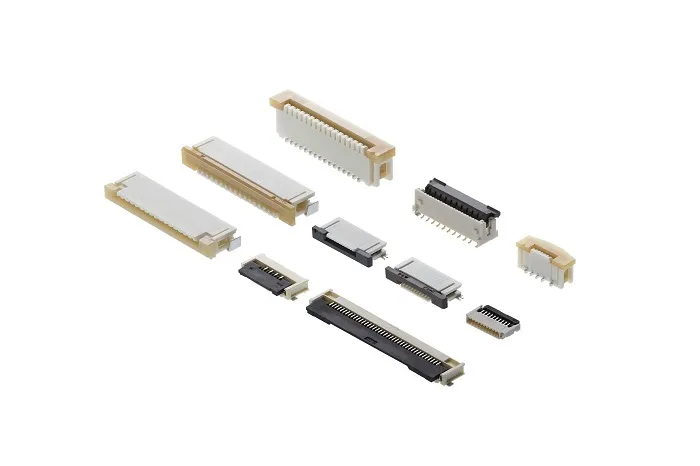
The 0.5mm FPC connector is a high-density flexible interconnect solution designed for compact electronic devices requiring reliable signal transmission between PCB and flexible flat cables (FFC/FPC). It supports SMT mounting, space-saving layouts, and stable electrical performance for modern miniaturized electronics such as smartphones, wearables, medical devices, and industrial controllers.
FPC connector 0.5mm pitch SMT — Product Overview for High-Density PCB Design
The 0.5mm FPC connector SMT is engineered for ultra-compact PCB layouts where signal density and board space efficiency are critical. With a 0.5mm pitch design, this connector allows engineers to integrate more signal lines into smaller footprints, making it ideal for next-generation portable electronics and high-performance embedded systems.
Vistar Electronics manufactures this 0.5mm FPC connector using precision stamping and molding processes to ensure stable contact resistance and long-term reliability. The SMT structure allows full compatibility with automated reflow soldering, reducing assembly time and improving production consistency in high-volume manufacturing environments.
This connector supports a wide range of flexible flat cable assemblies, ensuring stable signal integrity even in applications requiring frequent movement or vibration. It is widely used in compact devices where traditional board-to-board connectors cannot meet spatial constraints.
0.5mm FPC Connector — Full Technical Specifications
| Parameter | Value | Notes |
|---|---|---|
| Part Number | FPC-0520DL-nP | Standard catalog series |
| Connector Type | FPC / FFC Connector | Flexible Flat Cable Interface |
| Pitch | 0.5mm | High-density fine pitch design |
| Mount Type | SMT (Surface Mount Technology) | Reflow solder compatible |
| Orientation | Top Contact / Right Angle Optional | Depends on model configuration |
| Contact Type | ZIF (Zero Insertion Force) | Flip-lock or slide-lock design |
| Pin Count Range | 4–50 Pins (Optional) | Customizable per application |
| Current Rating | 0.3A – 0.5A per contact | Signal transmission applications |
| Voltage Rating | 50V AC/DC | Standard low-voltage electronics |
| Contact Resistance | ≤ 30 mΩ | Low resistance for stable signal |
| Insulation Resistance | ≥ 500 MΩ | High insulation performance |
| Mating Cycles | 20–50 cycles (standard) | Depends on actuator type |
| Contact Material | Phosphor Bronze, Gold Plated | Improved conductivity & durability |
| Housing Material | LCP (High Temperature Thermoplastic) | Reflow solder resistant |
| Operating Temperature | -25°C to +85°C | Industrial & consumer use |
| Storage Temperature | -40°C to +85°C | Safe storage conditions |
| Flammability Rating | UL94 V-0 | High safety standard |
| Packaging | Reel / Tape & Reel | SMT production ready |
| Applications | Smartphones, Laptops, Medical Devices, Industrial Control Boards | High-density compact electronics |
| Compliance | RoHS 3, REACH | Global environmental compliance |
| Certification | ISO 9001:2015 | Manufacturing quality system |
Key Features of 0.5mm FPC Connector for Modern Electronics
Ultra-Fine 0.5mm Pitch Design
Enables high-density routing for compact PCB layouts while maintaining signal integrity across multiple channels.
SMT Compatible for Automated Assembly
Designed for pick-and-place and reflow soldering processes, improving production efficiency and consistency.
High Reliability Contact System
Gold-plated terminals ensure low contact resistance and long-term durability in demanding environments.
Flexible Cable Compatibility
Supports a wide range of FFC/FPC cable types used in consumer, industrial, and medical applications.
Applications of 0.5mm FPC Connector in Consumer & Industrial Devices
0.5mm FPC Connector — Frequently Asked Questions
What is a 0.5mm FPC connector used for?
A 0.5mm FPC connector is used to connect flexible flat cables (FPC/FFC) to PCBs in compact electronic devices. It is commonly found in smartphones, wearables, medical devices, and embedded systems where space efficiency is critical.
What is the advantage of ZIF design?
The ZIF (Zero Insertion Force) design allows easy cable insertion without damage, then locks the cable securely in place. This improves assembly efficiency and extends connector lifespan.
Can this connector support high-speed signals?
Yes, the 0.5mm pitch design supports stable impedance and low-loss transmission, making it suitable for high-speed signal applications such as displays and camera modules.
Engineering Standards & Reference Resources
For more information about flexible printed circuit design and industry standards, refer to:

Easy-on zif Fpc connector 1.0 mm lower contact

0.5mm FPC connector types Drawer SMD horizontal h=1.2 mm

Through-Hole 1.0mm Pitch FFC/FPC Female Connector for PCB, Ribbon Cable & Industrial Control

0.3 mm fpc connector zif flip type

0.5mm zif Fpc Connector Lifting Cover Horizontal H=2.0

Easy-on 0.5 mm FPC Connector Zif 2.0H smt Right Angle

0.5mm Pitch FFC FPC Connector SMT Vertical for Compact PCB Designs

0.5mm FPC FFC ZIF Connector – Dual-Contact, Right-Angle SMT for Space‑Saving PCB Layouts
FPC Connector Pitch Selection Guide
Learn how to select the right FPC connector pitch—0.3mm, 0.5mm, or 1.0mm. Compare density, mechanical strength, applications, and key selection factors for...

FFC Connectors vs. FPC Connectors: 4 Crucial Differences You Need to Know!
A design team once spent three weeks debugging an intermittent display flicker on a new portable medical device. The root cause wasn’t...

FPC Connector Types Explained: Complete Guide to Pitch, Contact, Mounting & Locking Styles
Complete guide to FPC connector types—pitch options, top vs bottom contact, ZIF vs non-ZIF, mounting styles, and locking mechanisms. Learn how to...