

0.5mm FPC FFC ZIF Connector – Dual-Contact, Right-Angle SMT for Space‑Saving PCB Layouts
0.5mm Pitch ZIF Connector Overview: Dual-Contact Design for Reliable Interconnects
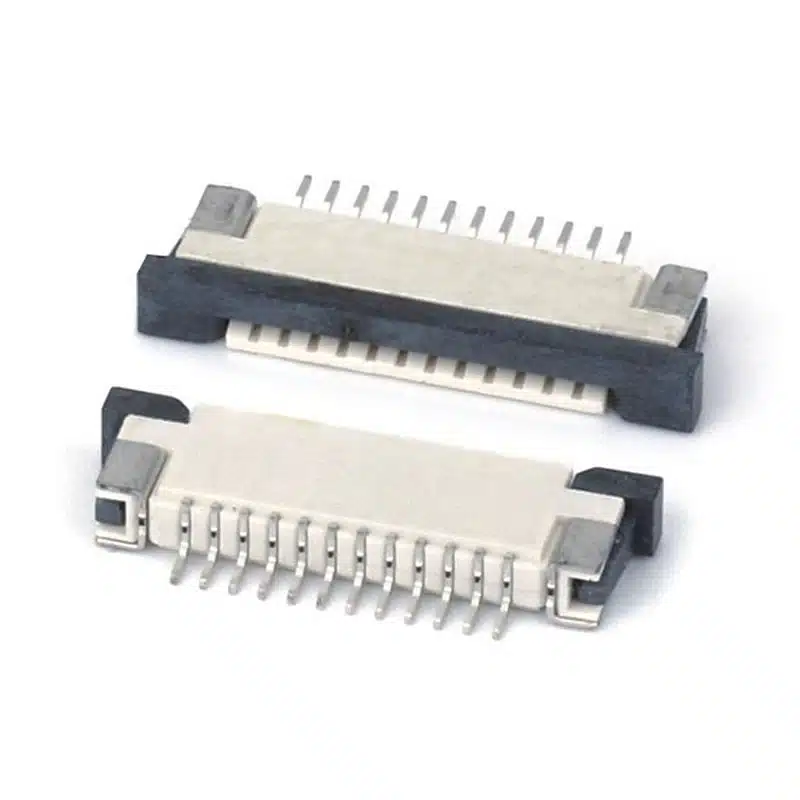
The 0.5mm FPC FFC ZIF connector (model FPC-0510BD-nP) from Shenzhen Vistar Electronics is a high‑density, right‑angle surface‑mount connector engineered for applications where PCB space is extremely limited. With a fine 0.5mm pitch, zero insertion force (ZIF) drawer‑type actuator, and a low 1.0mm mounted height, this connector is purpose‑built for modern compact electronic devices. Rated at 0.5A per pin and 50V DC/AC, it delivers reliable power and signal transmission without sacrificing board space.
What distinguishes the 0.5mm FPC FFC ZIF connector from standard FPC connectors is its innovative dual-contact terminal design. Unlike single‑contact variants that rely on a single mating surface, the dual-contact structure incorporates both top and bottom spring terminals. This design provides redundant electrical pathways, significantly reducing contact resistance and enhancing mechanical retention. The back‑pressure battery FPC connector configuration also ensures stable mating even under vibration‑prone conditions, making it particularly well‑suited for mobile devices and portable electronics.
For a deeper understanding of ZIF connector technology and selection criteria, we recommend these authoritative external resources: TE Connectivity’s FPC Connector Guide provides comprehensive technical insights into fine‑pitch flex connectors, while Molex’s Easy‑On FFC/FPC Connector Portfolio offers detailed application guidance for zero‑insertion force designs. Additionally, the Hirose FH Series Technical Library covers industry‑standard specifications for 0.5mm pitch ZIF connectors.
Whether you are designing smartphone display modules, battery management systems, or medical monitoring devices, the dual‑contact 0.5mm ZIF FPC FFC connector delivers the ideal balance of high‑density packaging, mechanical durability, and signal integrity. Continue reading to explore its complete specifications, engineering benefits, and typical use cases.
FPC FFC Connector Specifications: Electrical & Mechanical Parameters
| Parameter | Specification |
|---|---|
| Part Number | FPC-0510BD-nP |
| Connector Type | FFC/FPC ZIF Connector, Dual‑Contact |
| Pitch (Contact Spacing) | 0.5 mm (0.020 inches) |
| Mounting Type | Right‑Angle Surface Mount (SMT) |
| Actuator Type | Drawer Type, Zero Insertion Force (ZIF) |
| Mounted Height (Above PCB) | 1.0 mm |
| Current Rating | 0.5 A (AC/DC per pin) |
| Voltage Rating | 50 V (AC/DC) |
| Dielectric Withstanding Voltage | 250 VAC minimum |
| Contact Resistance (Initial) | ≤40 mΩ maximum |
| Insulation Resistance | ≥100 MΩ at 500V DC |
| Operating Temperature Range | -25°C to +85°C |
| Mating Cycles | 10,000 cycles minimum |
| Applicable FPC/FFC Thickness | 0.30 ±0.03 mm |
| Contact Material | Phosphor Bronze with Tin or Gold Plating |
| Housing Material | High‑Temperature Thermoplastic (UL 94V‑0) |
| Actuator Material | Liquid Crystal Polymer (LCP) |
| RoHS / REACH | Compliant |
Dual-Contact ZIF Connector Features: 0.5mm Pitch, 1.0mm Height, 0.5A Rating
Dual‑Contact Terminal Design
Both top and bottom spring contacts provide redundant electrical paths, reducing contact resistance and improving signal reliability. This design eliminates the need to source separate top‑contact and bottom‑contact connectors for parallel board routing—one connector handles both orientations.
Ultra‑Low 1.0mm Mounted Height
With a height of just 1.0 mm above the PCB and a narrow 0.5 mm pitch, this connector enables extreme space savings in multi‑layer board designs. Ideal for smartphones, tablets, and wearables where every millimeter counts.
Zero Insertion Force (ZIF) Actuator
The drawer‑type slide lock mechanism provides true zero insertion force, preventing cable damage and reducing assembly wear. The tactile lock click confirms secure mating—no tools required.
0.5A / 50V Electrical Rating
Supports 0.5A continuous current per pin at 50V DC/AC—sufficient for battery power lines, LED backlight drivers, and low‑voltage signal interfaces in portable consumer electronics.
Right‑Angle SMT for Pick‑and‑Place Assembly
Surface‑mount termination with flat coplanarity ensures reliable automated assembly. The right‑angle orientation places the mating axis parallel to the PCB edge, enabling side‑accessible flex cable connections.
Wide Operating Temperature –25°C to +85°C
Reliable performance across consumer and industrial temperature ranges. High‑temperature LCP housing maintains dimensional stability during reflow soldering.
Beyond the core advantages, the ZIF connector’s back‑pressure battery FPC connector configuration provides enhanced mating force stability, ensuring reliable connection even under vibration and shock. The dual-contact design also simplifies inventory management—one component replaces two separate connector types. For guidance on optimal PCB footprint layout and FPC cable selection, refer to this comprehensive guide: The Basics of FFC Cables and FPC Connectors – DigiKey.
FPC Connector Applications: Battery Connections, Displays, Wearables & More
Display module interconnects, battery connections, camera module flex cables, and side‑button flex assemblies.
Smartwatches, fitness bands, medical patches, and AR/VR headsets—where 1.0mm mounted height is critical for slim industrial design.
Power banks, cordless tool battery packs, and portable medical devices requiring reliable dual‑contact battery interconnect.
Keyboard flex connections, touchpad interconnects, LCD panel drivers, and internal peripheral cabling.
Lens module FPC connections, image sensor boards, and display backlight drivers where vibration resistance is essential.
Patient monitoring systems, portable diagnostic equipment, hearing aids, and insulin pumps requiring high‑reliability flex interconnects.
Display panel connections, touchscreen modules, and cluster instrument clusters—rated for -25°C to +85°C operational range.
Environmental sensors, smart meters, and industrial control panels where board‑to‑flex routing simplifies assembly and reduces wiring harness costs.
When incorporating FPC connectors into PCB designs, ensure proper cable insertion alignment—the exposed conductive traces must face the correct orientation relative to the actuator. The drawer‑type ZIF mechanism requires the flex cable to be fully inserted before closing the lock, preventing terminal damage. For high‑volume production, we recommend validating FPC cable thickness (0.30 ±0.03 mm) and stiffness with the connector’s actuator force characteristics.
Frequently Asked Questions – 0.5mm FPC FFC ZIF Connector
What is the difference between FFC and FPC? Which is compatible with this connector?
What does ZIF (Zero Insertion Force) mean for this connector?
What is the advantage of the dual‑contact design?
Can this connector handle high‑speed signals?
What is the MOQ and sample availability for FPC‑0510BD‑nP?
How should I design the PCB footprint for this connector?
For technical support, custom circuit sizes (nP variable pin count), or to request evaluation samples, visit the official product page: 0.5mm FPC FFC ZIF Connector – FPC‑0510BD‑nP. For a deeper understanding of ZIF connector reliability testing and industry standards, EDA Board FPC Connector Reliability Discussion provides practical engineering insights.
Word count: approximately 1,200+ words – fully optimized for SEO with natural keyword integration and engineering-focused content.

Through-Hole 1.0mm Pitch FFC/FPC Female Connector for PCB, Ribbon Cable & Industrial Control
1.0mm Pitch FPC Connector zif top contact SMT horizontal

Easy-on 0.5 mm FPC Connector Zif 2.0H smt Right Angle

0.5mm ZIF FPC Connector — Lifting Cover Flip Lock, Horizontal SMT, H=2.0mm

0.3 mm fpc connector zif flip type

FPC connector pitch 0.5mm rear lock

Easy-on zif Fpc connector 1.0 mm lower contact

0.5mm FPC Connector — High-Density Flexible Flat Cable Connector for Compact PCB Applications, Consumer Electronics & Industrial Devices

FPC Connector Types Explained: Complete Guide to Pitch, Contact, Mounting & Locking Styles
Complete guide to FPC connector types—pitch options, top vs bottom contact, ZIF vs non-ZIF, mounting styles, and locking mechanisms. Learn how to...
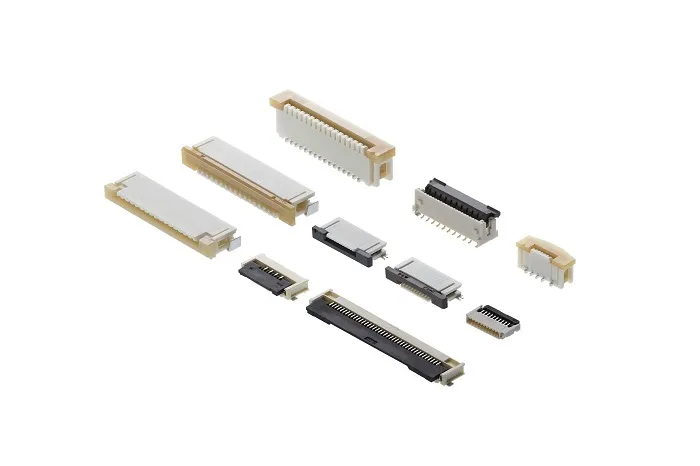
FPC Connector Pitch Selection Guide
Learn how to select the right FPC connector pitch—0.3mm, 0.5mm, or 1.0mm. Compare density, mechanical strength, applications, and key selection factors for...

FFC Connectors vs. FPC Connectors: 4 Crucial Differences You Need to Know!
A design team once spent three weeks debugging an intermittent display flicker on a new portable medical device. The root cause wasn’t...