

Automotive Wire Plug Connector & Harness Connector Solutions
Automotive Wire Connector Types – Finding the Right Plug for Your System
An automotive wire connector is much more than a simple plastic plug. In vehicle electrical systems, these connectors must withstand vibration, temperature swings, moisture, and chemical exposure while maintaining a stable, low‑resistance electrical path. This page serves as a selection guide for engineers and procurement teams looking to specify the correct automotive plug connector for their application—whether it’s a simple 2‑pin sensor link, a 4‑pin lighting module, or a fully waterproof harness connector for the engine bay.
The connector family showcased here spans a wide range of pin counts, housing materials, and environmental ratings. Each type is designed to meet the mechanical and electrical demands of modern automotive, motorcycle, electric vehicle, and industrial equipment. By understanding the key types and selection criteria, you can avoid common mistakes such as mismatching mating interfaces, underestimating current ratings, or ignoring the vibration profile of the installation environment.
Automotive Wire Connectors by Pin Count
2‑Pin Automotive Wire Connectors
The most basic automotive electrical plug connector handles a single circuit—power and ground, or signal and return. Typical applications include parking sensors, license plate lights, ambient temperature sensors, and simple actuator controls. The compact footprint suits tight spaces, while locking‑latch designs prevent accidental disconnection.
3‑Pin Automotive Connectors
Adding a third pin allows the transmission of power plus a control signal, or power and a tachometer feedback. Common in throttle position sensors, fan motor controllers, and headlight leveling systems. The 3‑pin automotive plug connector often includes a dedicated shield pin for EMI‑sensitive applications.
4‑Pin Automotive Connectors
Four‑pin configurations support dual‑signal systems, such as CAN‑bus data and auxiliary power, or full‑bridge motor driver outputs. They are widely used in LED lighting modules, relay control boxes, and electric power steering sensors. For a dedicated 4‑pin solution, explore our 4‑pin automotive connector product page.
Waterproof Automotive Connectors (IP67/IP68)
For exposed areas—engine bay, chassis underside, motorcycle harnesses—a waterproof automotive connector is mandatory. These connectors incorporate silicone seals, grommets, and locking collars to achieve IP67 or IP68 protection. They prevent corrosion, short circuits, and intermittent faults caused by water ingress. Our waterproof series is tested to IEC 60529 standards and is available in 2‑pin through 12‑pin configurations. Learn more about waterproof connector solutions.
Automotive Plug Connector Types by Usage
Engine System Connectors
High‑temperature housings and oil‑resistant seals protect connectors near the engine block. These connectors often carry sensor data (crankshaft position, camshaft position, knock sensor) and must survive continuous vibration.
Lighting Connectors
Headlights, tail lights, fog lamps—lighting connectors prioritize secure locking and weatherproof performance. Many are standardized (e.g., H4, 9006) to simplify aftermarket replacement.
Sensor Connectors
ABS sensors, oxygen sensors, and temperature probes require low‑contact‑resistance, shielded wiring. A compact automotive plug connector with gold‑plated terminals is typical.
EV & Charging Connectors
Electric vehicle applications demand high‑voltage, high‑current capability, along with interlock circuits and touch‑proof housings. While this page focuses on signal‑level connectors, our engineering team can support custom EV connector assemblies.
Wire Harness Connector vs. Automotive Plug Connector – What’s the Difference?
A wire harness connector automotive typically refers to the complete assembly: the plastic housing, the crimped terminals, and the sealed interface that is integrated into a vehicle’s wiring loom. An automotive plug connector, on the other hand, can refer to the individual male or female half that mates with another connector. In practice, the terms overlap, but understanding the distinction helps when ordering components. Vistar supplies both discrete plug housings and fully terminated harness assemblies, reducing your in‑house labor and ensuring consistent crimp quality.
How to Choose Automotive Wire Connectors – Key Selection Criteria
- Current Rating: Match the connector’s contact rating to the circuit’s operating current, with at least a 25% safety margin.
- Vibration Resistance: Look for positive‑locking latches and secondary terminal locks for high‑vibration locations.
- Waterproof Level: IP67 minimum for exterior use; IP68 for submersion (e.g., motorcycle handlebar switches).
- Pin Count: Select the smallest pin count that satisfies your electrical needs to save space and cost.
- Housing Material: PA66 or PBT for under‑hood heat; UV‑stabilized plastics for exterior locations.
- Mating Cycle Life: For serviceable connections, ensure the connector is rated for at least 100 mating cycles.
Common Mistakes When Selecting Automotive Electrical Connectors
- Choosing Only by Pin Count: Ignoring voltage/current ratings can lead to overheating and connector failure.
- Overlooking Waterproof Ratings: Using an unsealed connector in a wheel well or engine bay guarantees future corrosion.
- Mismatching Mating Connectors: Not all 3‑pin or 4‑pin shells are cross‑compatible; always verify the mating interface drawing.
- Using the Wrong Wire Gauge: Oversized wire crushes the terminal; undersized wire slips out. Follow the manufacturer’s wire range specification.
- Skipping Vibration Testing: Connectors that pass bench tests may fail on the road if the locking mechanism isn’t rated for automotive vibration profiles.
Applications of Automotive Wire Plug Connectors
Main harness, body control modules, fuse box interfaces.
Waterproof plug connectors for handlebar switches, tail lights, and ECU connections.
Low‑voltage signal connectors, battery management sensor links, onboard charger auxiliaries.
Heavy‑duty connectors for forklifts, agricultural machinery, and construction vehicles.
Automotive‑grade 2‑pin and 4‑pin connectors for headlights, fog lamps, and interior illumination.
Example Automotive Connector Specifications – M23S05K351
| Parameter | Value |
|---|---|
| Part Number | M23S05K351 |
| Connector Type | Automotive Wire Plug Connector |
| Pin Count | Custom (e.g., 2, 3, 4, 6) |
| Mounting Style | In‑line (wire‑to‑wire) |
| Waterproof Rating | IP67 (optional) |
| Housing Material | PA66, UL94 V‑0 |
| Operating Temperature | −40°C to +125°C |
| Compliance | RoHS, REACH |
This is one representative part number from our extensive automotive connector line. Contact us with your requirements for a complete quotation.
Frequently Asked Questions – Automotive Wire Connectors
What is an automotive wire connector?
An automotive wire connector joins two or more electrical conductors in a vehicle’s wiring system. It typically includes a plastic housing, metal terminals, and a locking mechanism to maintain connection under vibration.
What does IP67 mean for an automotive plug connector?
IP67 means the connector is dust‑tight and can withstand temporary immersion in water (up to 1 m depth for 30 min), making it suitable for engine bay and exterior applications.
How do I know which pin count I need?
Count the number of distinct electrical signals. A simple sensor needs 2 pins (power + ground). A CAN‑bus sensor often needs 4 pins (power, ground, CAN‑H, CAN‑L). Always add extra pins for future expansion if possible.
Do you supply custom wire harness assemblies?
Yes. Vistar offers fully terminated harness assemblies built to your specifications, including custom wire lengths, colors, and connector combinations. Contact our team for a quote.
Can I get a free sample of an automotive connector?
Absolutely. Engineering samples are available for qualification. Email sales@vistarelectronics.com with your part number or requirements.
Your Source for Automotive Wire Connectors & Plug Solutions
Whether you need a single‑prototype 2‑pin automotive wire connector or a high‑volume shipment of waterproof harness connectors, Vistar Electronics provides consistent quality, competitive lead times, and engineering support. Our automotive plug connector range extends from simple signal connectors to complex multi‑pin assemblies, all manufactured under RoHS and REACH compliance. As an OEM supplier, we offer custom tooling, private labeling, and consolidated shipping options to reduce your supply chain complexity.
Explore our full connector ecosystem: Connectors Product Category, DC Power Jacks, RJ45 Connectors, HDMI Connectors, and USB Type‑C Connectors. For additional technical resources, see IEC Standards and ISO Standards. To discuss your automotive connector project, email sales@vistarelectronics.com or request a free sample using the form on this page.

12 Pin Waterproof Automotive Connector for Wiring Harness Applications
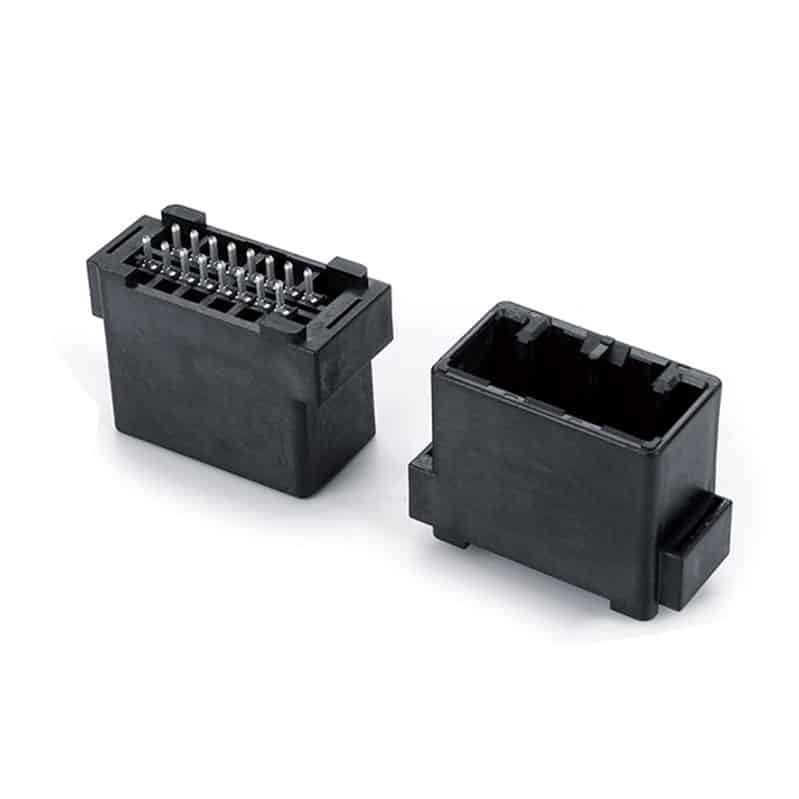
16 Pole M Connector Automotive Socket – 16 Way Straight Header, 2 x 8 Layout, Tin or Gold Plated

Cpt automative connector 2 way

MX34 crimp terminal

2.00mm Crimp style connector male housing

SMT Wafer automotive connector 2pin

Automotive Connector Wafer SMT 8Pin — 2.0mm Right-Angle PCB Header for Automotive Electronics

2.0mm WRS Connector 4P — Compact Wire-to-Board Connector for Reliable PCB Signal & Power Transmission in Industrial Applications

EV Battery Connectors Explained: Types, Functions and Selection Guide
You are designing the high-voltage distribution system for a new electric vehicle platform. The battery pack is specified, the inverter is selected,...
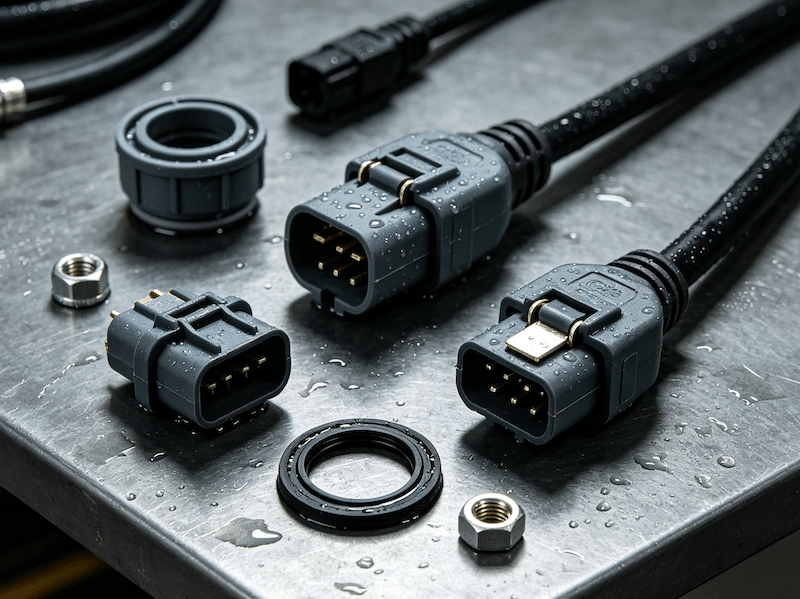
Waterproof Automotive Connectors: A Procurement Engineer’s Guide to Sealing, Standards and Selection
Master waterproof automotive connector selection with this engineer’s guide. Learn IP67 vs IP69K sealing, USCAR testing, material selection, and how to source...

Automotive Connector Types Explained: How to Choose the Right Connector for Every Vehicle System
Automotive Connector Types Explained: How to Choose the Right Connector for Every Vehicle System The Friday Afternoon Call Nobody Wants It is...