

2P2T Right Angle Slide Switch (DPDT DIP Type)
The SK-22F14 is a 2P2T right angle slide switch with a DPDT circuit configuration, DIP through‑hole mounting, and a right‑angle actuator for side‑panel operation. This DPDT slide switch provides independent control of two circuits in a compact 6‑pin package, rated for 0.5A at 50V DC and 10,000 mechanical cycles. RoHS & REACH compliant. Tube packaging. MOQ 1,000 pcs. Free sample for qualified projects.
What Is a DPDT Slide Switch in a Right‑Angle Package?
A DPDT slide switch, often referred to as a 2P2T (double‑pole double‑throw) switch, allows a single sliding actuator to control two independent circuits simultaneously. When built as a 2P2T right angle slide switch, the actuator is oriented perpendicular to the PCB, enabling side‑panel access through an enclosure slot. This configuration is widely used for audio source selection, polarity reversal, and mode toggling because it provides clear visual feedback and positive detent action without requiring any holding current. The SK‑22F14 implements an ON‑ON switching pattern, meaning the switch is always connecting each common terminal to one of its two throw positions—there is no center‑off state. This makes it particularly suitable for applications where a circuit must never be left floating, such as safety interlocks or continuous signal paths.
How a Right Angle Slide Switch Operates
Inside a right angle slide switch, a set of sliding contacts moves along a stationary contact array. In the SK‑22F14, the six pins are arranged in two rows of three, each row representing one pole. The centre pin of each row serves as the common terminal, while the outer pins are the two selectable positions. Sliding the actuator to one side connects both commons to one set of throws; sliding to the opposite side connects them to the alternative throws. This mechanical action is entirely manual and requires no power to maintain either state. The right‑angle orientation means the slider moves parallel to the board surface, which reduces the overall height above the PCB and makes it possible to design slimmer enclosures. The through‑hole terminals provide robust mechanical anchoring, resisting the lateral forces generated during each switching action. This simple, proven design is why a right angle slide switch remains a staple in control panels, test fixtures, and embedded development boards.
Advantages of a PCB Mount Slide Switch with Right‑Angle Actuation
Selecting a PCB mount slide switch with a right‑angle actuator brings several design advantages. First, it allows the switch to be placed at the board edge, with the actuator protruding through a front or side panel. This eliminates the need for a separate bracket or extended shaft, simplifying mechanical design. Second, the DIP through‑hole terminals offer superior solder joint strength compared to surface‑mount alternatives, which is critical for a component that experiences repeated manual force. Third, the right‑angle orientation naturally protects the actuator from accidental bumps compared to a top‑actuated vertical switch, because the slider is shielded by the enclosure wall. Fourth, the 2P2T configuration means two circuits can be managed with a single component, reducing BOM count and board space. Finally, as a PCB mount slide switch with a standard 2.54mm pin pitch, it is directly compatible with prototyping breadboards and automated through‑hole assembly processes, making it equally suited to low‑volume hand‑assembly and high‑volume production.
Applications of a DIP Slide Switch with DPDT Configuration
Technical Specifications
| Parameter | Value |
|---|---|
| Part Number | SK-22F14 |
| Switch Type | 2P2T (DPDT) Slide Switch |
| Mounting Style | DIP Through‑Hole, Right Angle |
| Pin Count | 6 |
| Operation | ON‑ON |
| Rating | 0.5A 50V DC |
| Contact Resistance | ≤50mΩ initial |
| Insulation Resistance | ≥100MΩ @ 500V DC |
| Dielectric Strength | 500V AC (1 minute) |
| Mechanical Life | 10,000 Cycles |
| Contact Material | Phosphor Bronze, Gold over Nickel |
| Housing Material | PBT, UL94V‑0 |
| Operating Temperature | −25°C to +85°C |
| Packaging | Tube (50 pcs/tube) |
| Compliance | RoHS & REACH |
How to Choose a DPDT Slide Switch for Your PCB
When selecting a DPDT slide switch for a new design, engineers should evaluate several critical parameters beyond the basic pole‑throw configuration. Current and voltage ratings must match the circuit’s maximum operating levels—the SK‑22F14’s 0.5A / 50V DC rating covers most signal‑level and low‑power control applications. Mounting orientation is equally important: a right‑angle DIP package suits board‑edge or side‑panel installation, while vertical packages are better for top‑access enclosures. Actuator length and detent force affect the user experience; a firm detent prevents accidental switching in vibration‑prone environments. Mechanical life of 10,000 cycles ensures years of service even with frequent daily use. Contact material (gold over nickel) provides stable low‑resistance performance over the product lifetime. Finally, verify that the pin pitch (2.54mm in this case) matches your PCB layout and assembly method. For additional guidance, see our Ultimate Slide Switch Guide.
Frequently Asked Questions – 2P2T Right Angle Slide Switch
What is a 2P2T slide switch?
A 2P2T slide switch (also called DPDT) has two poles and two throws per pole, allowing it to switch two independent circuits between two positions. The SK-22F14 is a right‑angle DIP version of this switch.
Is 2P2T the same as DPDT?
Yes. 2P2T (two pole, two throw) and DPDT (double pole, double throw) refer to the same switching configuration—two circuits controlled simultaneously between two positions.
What is a right angle slide switch used for?
A right angle slide switch is used when the PCB is mounted flat and the actuator must protrude through a side or front panel. It saves vertical space and provides convenient edge‑mounted operation.
Can this switch be used for signal switching?
Yes. The gold‑plated contacts ensure stable, low‑resistance signal transmission, making the SK-22F14 ideal for audio, data, and control signal routing.
Is this an ON‑ON slide switch?
Yes. The SK-22F14 is an ON‑ON switch, meaning the common terminals are always connected to one of the two throw positions—there is no center‑off position.
Do you offer free samples?
Yes. Free samples are available for qualified engineering evaluation. Contact sales@vistarelectronics.com with your project details and part number SK-22F14.
Your Source for DPDT Right Angle Slide Switches
The 2P2T right angle slide switch is a trusted solution for dual‑circuit control in space‑constrained PCB designs. Its DIP through‑hole construction provides robust mechanical anchoring, while the right‑angle actuator simplifies front‑panel integration. As a DPDT slide switch specialist, Vistar Electronics manufactures a full range of PCB mount slide switches with multiple circuit configurations, actuator orientations, and custom options for OEM and industrial applications. Whether you need a right angle slide switch for an audio mixer or a PCB mount slide switch for a programmable logic controller, we offer consistent quality, short lead times, and engineering support.
Explore our complete slide switch portfolio: Slide Switch Category, SPDT Slide Switch 3 Pin, DPDT Slide Switch 6 Pin, Vertical Slide Switch, and Horizontal Slide Switch. For technical guidance, read our articles on What Is a Slide Switch?, SPDT vs DPDT Slide Switch, and Slide Switch Types Explained. For relevant standards, see IEC Standards and RoHS Compliance Guide. To request a free sample of the SK‑22F14 or discuss your requirements, contact sales@vistarelectronics.com.

2P4T Horizontal Slide Switch — SK-24D02 12 Pin DIP 4 Position PCB Mount Slide Switch for Audio, Consumer Electronics & Industrial Control

4 pin DIP Slide switch horizontal 1P3T

6pin Slide switch 90 degree SK-22H09

3 position slide switch horizontal SK-23D07

6 pins horizontal slide switch 2p2t SK-22H03

2 position Slide switch DIP 6PIN SK-22H02

1P3T Slide switch 4p SK-13D07

2P3T Slide Switch: 8 Pin 90 Degree DIP for PCB Selection
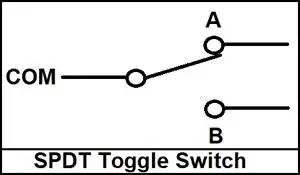
SPDT Slide Switch: A Classic Solution for Precision Control and Circuit Routing
In the control and signal path selection of electronic systems, slide switches have always held an indispensable position due to their intuitive...

Mini Slide Switch Reliability: 8 Factors That Affect Long-Term Performance
What really determines mini slide switch reliability? Explore 8 factors from contact material to PCB mounting that impact lifespan. Improve durability in...

Mini Slide Switch: The Complete Guide to Types, Applications & Selection
Explore the complete mini slide switch guide covering types, specifications, applications, and selection tips. Learn how engineers choose reliable slide switches. A...