What Is a Detector Switch? Complete Guide for Engineers

Detector switches

In modern electronic products, many critical functions happen silently in the background. A laptop knows when its lid is closed. A printer detects paper presence. A smart lock confirms door status. A charging dock recognizes device insertion. Behind many of these actions is a small but highly important component: the detector switches. Despite its simple … Read more

4 Precision Fundamentals: Quartz Crystal Oscillators deep Explained

Quartz Crystal Oscillators

Quartz Crystal Oscillators The quartz crystal oscillator is a resonant device made using the piezoelectric effect of quartz crystals, and is capable of generating high-precision oscillation frequencies to provide stable clock signals for electronic systems. Working Principle Piezoelectric Effect: When a quartz crystal is subjected to mechanical stress, it generates an electric charge on its … Read more

FFC Connectors vs. FPC Connectors: 4 Crucial Differences You Need to Know!

ffc vs fpc connector

A design team once spent three weeks debugging an intermittent display flicker on a new portable medical device. The root cause wasn’t a faulty graphics controller or a timing violation. It was a flexible flat cable (FFC) plugged into a connector originally validated only with a flexible printed circuit (FPC). The FFC’s slightly thinner stiffener … Read more

Unveiling USB Type C 24 Pin Connector: Structure Breakdown & Key Technical Features

USB Type C 24 Pin connector

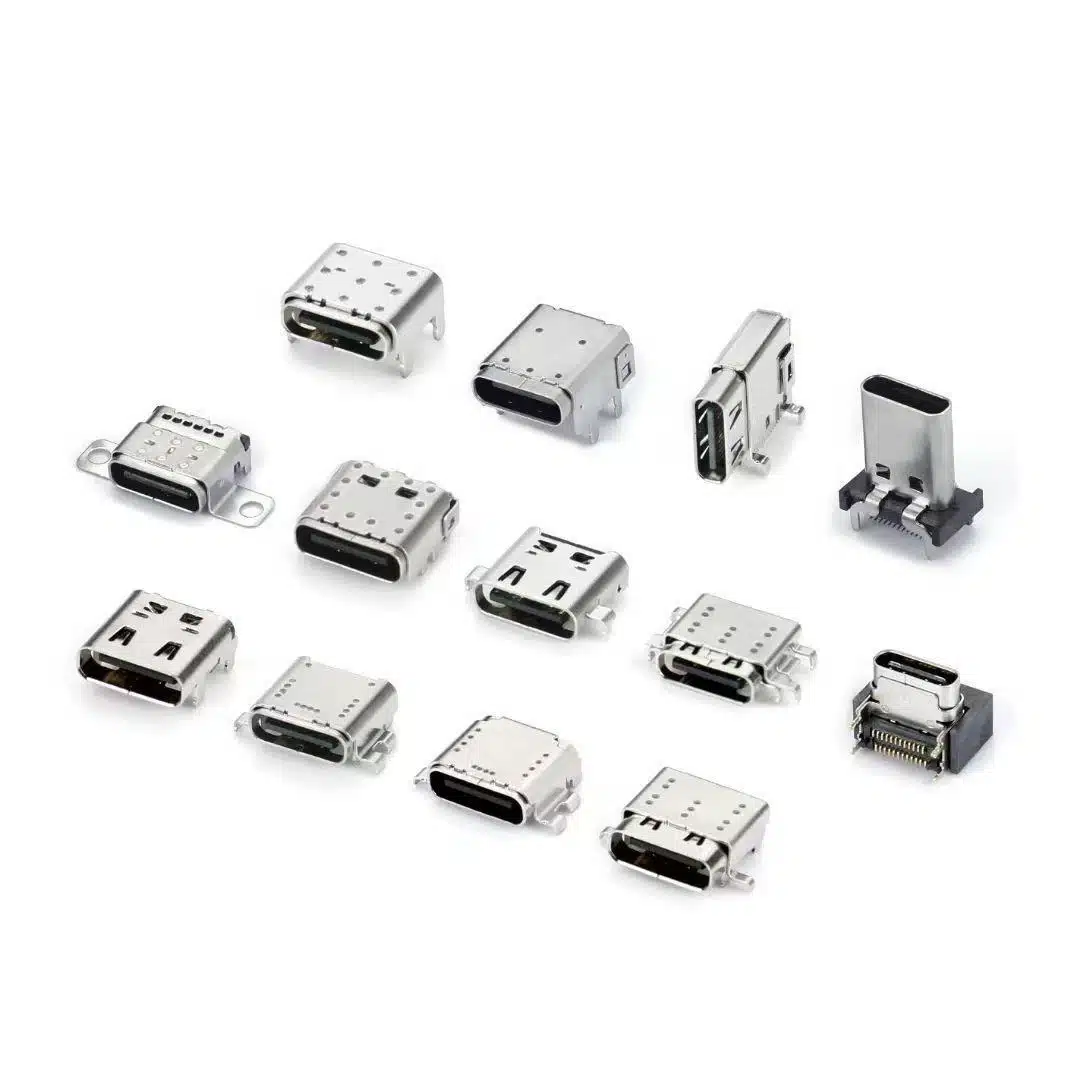
The USB Type C 24 Pin connector, as a widely used connection standard in modern electronic devices, holding significance for both users and developers . With the popularity of the USB Type C interface, the 24p vision has gradually become the mainstream choice due to its higher power management capability higher data transfer speed rates, … Read more

USB-C Connector Pinout Guide for Engineers: 24-Pin vs 16-Pin Signal Assignment & PCB Routing

USB-C Connector Pinout

You have spent three weeks finalizing a board design. The BOM is locked, the PCB is routed, and the prototype is on the fabrication line. Then the email arrives from your purchasing team: the 24-pin USB-C receptacle you specified is back-ordered for sixteen weeks. The alternative? A 16-pin variant that costs 40% less and ships … Read more

Tactile Switch vs Push Button Switch: Key Differences and How to Choose

tactile switch vs push button switch

Compare tactile switch vs push button switch in structure, momentary vs latching, current rating, and applications. Learn how to choose the right switch for your PCB or panel design. You are finalizing the user interface for a new medical device. The design calls for a start button that the user presses once to power on … Read more

How to choose USB-C Connectors(USB4.0, USB3.2, USB3.1 and USB2.0 | 24/16/12/9/6 Pin) For Your products?

USB C connector

This guide has been updated. View the complete USB-C Connector Selection Guide: How to Choose the Right Connector for Your Design here. USB-C Connector is gradually replacing USB-A, and product selection needs to pay attention to these In the past decade, many connectors in the field of consumer electronics have been replaced by USB-C Connectors … Read more

How Do Push Switches Work ?

PUSH SWITCHES

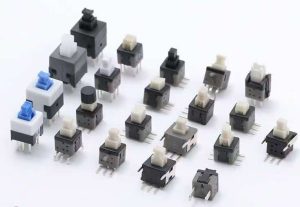
Push switches, a miniature switch commonly used in electronic devices. These push switches are known for their compact size and tactile feedback, making them suitable for applications where space is limited and a clear indication of activation is desired. They are available in various configurations, including momentary and latching (self-locking) types, and with different pin counts (e.g., 3-pin, … Read more

3×6 Tactile Switch vs 6×6 Tactile Switch: Which One Should You Choose?

3×6 vs 6×6 tactile switch

Compare 3×6 vs 6×6 tactile switches in size, durability, applications and PCB design. Learn which tact switch is best for your electronic product, from compact devices to industrial equipment. You are laying out a new wearable device. The PCB is tightly packed with components, and every square millimeter of board space has been allocated—except for … Read more

DC Barrel Jack Connector Guide: Types, Sizes & Selection Tips

dc barrel jack connector

A DC barrel jack connector is one of the most common — and most misunderstood — power connectors in electronics. Engineers specify a 5.5×2.1mm jack, order samples, then discover the plug doesn’t fit, the polarity is reversed, or the current rating is insufficient for the application. This guide covers the essential selection factors for DC … Read more

Request a Quote

    Inquiry for:

    Loading product...