
The tactile switch testing standards vary dramatically across different application scenarios, differing almost entirely in their level of stringency and testing dimensions. The core difference stems from fundamental disparities in reliability requirements, operating environments, and operational lifespan.
Simply put, the testing standards for consumer electronics are akin to a “qualifying round” on a standard track, while the testing for automotive electronics is more like an “endurance survival race” under extremely complex and harsh conditions.
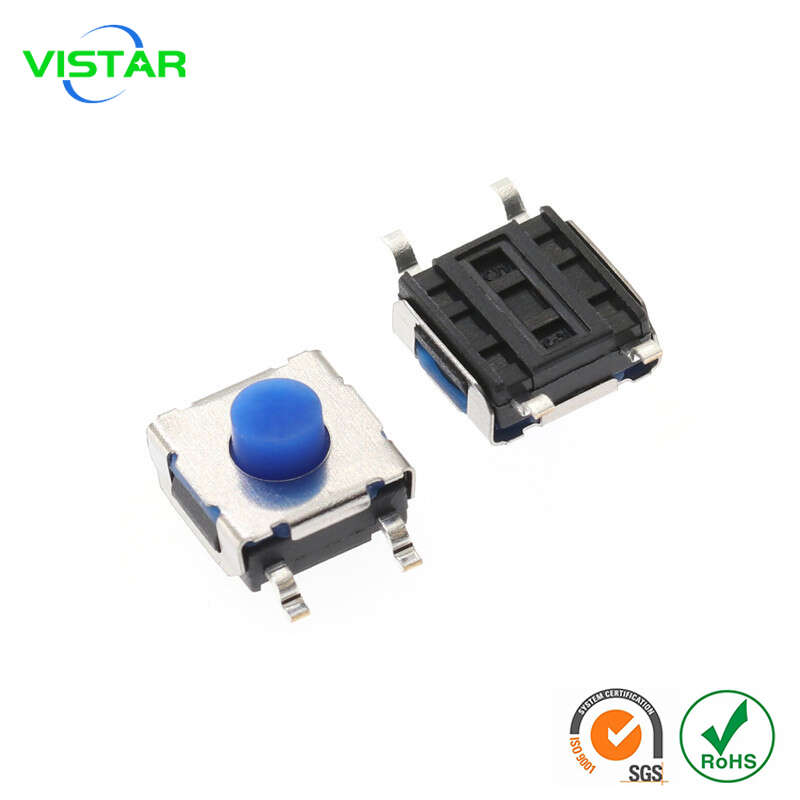
Core Differences Comparison Table
The table below clearly summarizes the main differences in testing standards and focus between these two scenarios:
| Testing Dimension | Consumer Electronics Tactile Switch (e.g., phone, remote) | Automotive Electronics Tactile Switch (e.g., center console, steering wheel) | Core Interpretation of the Difference |
|---|---|---|---|
| Primary Goal | Cost control, ensuring basic functionality and tactile feel. | Guaranteeing absolute reliability, safety, and performance over the full product lifecycle. | Automotive involves safety, where failure is not an option. |
| Environmental Endurance | Area of Core Difference. Automotive must withstand all-weather, all-terrain challenges from extreme cold to heat, vibration, chemical exposure, etc. | ||
| – Operating Temp. | Typically 0°C ~ 70°C | -40°C ~ 85°C minimum, up to 125°C possible (near engine bay). | |
| – Damp Heat/Thermal Shock | Required, but conditions are moderate. | Extremely stringent. E.g., prolonged 85°C/85% RH testing, or rapid -40°C ←→ 125°C temperature cycling. | |
| – Chemical Resistance | Simple alcohol wipe test. | Must resist engine oil, gasoline, cleaning agents, coolant, and various other chemicals. | |
| Mechanical Durability | Automotive demands longer lifespan and higher vibration resistance. | ||
| – Mating Cycles | Tens of thousands to around one hundred thousand cycles (e.g., 50,000). | Over 100,000 cycles, often requiring up to 100,000 cycles or more. | |
| – Vibration/Shock | Basic requirements exist. | Extremely rigorous. Must pass prolonged, multi-axis, specific frequency spectrum vibration tests (e.g., USCAR, ISO 16750). | |
| Electrical Performance | The automotive electrical environment is harsher, demanding higher noise immunity and stability. | ||
| – Contact Resistance | Stable performance required. | Requires very low and exceptionally stable resistance. Even minor fluctuations can cause signal errors. | |
| – Load & Surge | Based on actual use load. | Must withstand high loads, load dump, reverse voltage, and other transient pulses unique to vehicle electrical systems. | |
| Standards & Certification | Follows general electronics standards like IEC, plus some corporate standards. | Mandatory compliance with automotive qualification systems (e.g., AEC-Q200), and meets OEM-specific standards (e.g., VW VW80000, Ford WSS). | Automotive has mandatory industry entry barriers. |
| Failure Mode & Effects Analysis (FMEA) | Rarely performed. | Strict FMEA is mandatory, analyzing the potential impact of switch failure on the entire vehicle system. | Automotive emphasizes systemic safety. |
Automotive Electronics: Why So Stringent?
The testing for automotive-grade switches isn’t just “stricter”; the underlying logic is fundamentally different:
- Life-Safety Relevance: Failure of a single switch could disable a critical function (e.g., window, lights, ignition), potentially causing an accident while driving.
- Extreme Environments: Vehicles may operate anywhere from the Arctic to the equator. Switches must function reliably across all conditions.
- Extended Lifespan: Vehicles are designed for lifespans often exceeding 15 years or 200,000 kilometers. Switches may be operated hundreds of thousands of times without significant performance degradation.
- Complex Electrical Environment: The vehicle electrical network is filled with voltage spikes and electromagnetic interference from motors, relays, etc. Switches must be immune to this noise.
Consumer Electronics: Where is the Focus?
Testing for consumer-grade switches focuses more on:
- User Experience: Tactile feel, audible feedback (click sound), and cosmetic consistency are paramount. Tests quantify actuation force, travel, and tactile feedback.
- Cost-Effectiveness: Maximizing cost optimization while meeting basic reliability targets (e.g., 1-3 year service life).
- Manufacturability: Compatibility with high-speed SMT assembly and reflow soldering processes to ensure high yield rates.
In the world of electronics, the distinction between automotive and consumer electronics may not be immediately clear, but it is crucial, especially in terms of testing and compliance. If you are interested in the difference between them about the key testing variations, this post ” Automotive (AEC-Q200) vs. Consumer Electronics: Key Testing Variations” may be helpful.

Selection Advice
- For Automotive Device Selection: You must explicitly require suppliers to provide AEC-Q200 certification reports and test data compliant with specific OEM standards. Do not accept verbal assurances of being “automotive-grade.” Always review the test documentation.
- For Consumer Product Selection: Clarify with suppliers the tactile specifications, lifecycle test data (e.g., change in actuation force after 50,000 cycles), and process requirements like solder heat resistance.
In summary, when selecting a tactile switch, you must never apply consumer-grade standards to automotive applications. The automotive electronics testing framework is a complete system built to ensure safety and ultimate reliability. Its depth, breadth, and rigor far exceed those of consumer electronics.If you need a more in-depth analysis for selecting switches for a specific scenario (e.g., in-vehicle infotainment system vs. industrial control panel), I can provide further insights.


