

SMA to IPEX 90 Degree RF Adapter Cable for Wireless Antenna & Embedded RF Applications
SMA to UFL Cable Overview
The SMA to IPEX 90 Degree RF Adapter Cable is a compact RF interconnect solution designed to bridge external SMA antennas with internal U.FL (IPEX) wireless modules. It is widely used in WiFi routers, Bluetooth devices, LoRa gateways, GPS receivers, cellular communication equipment, embedded IoT systems, and industrial wireless electronics.
This SMA to UFL cable combines a robust SMA connector with a miniature IPEX connector, allowing engineers to route RF signals from an internal wireless module to an external antenna while maintaining excellent signal integrity. The 90-degree connector design helps save PCB space and simplifies installation in compact enclosures.
The cable assembly typically utilizes low-loss RF coaxial cable with controlled 50Ω impedance, ensuring stable signal transmission across various wireless frequencies. Depending on system requirements, cable lengths can be customized to optimize antenna placement and improve overall RF performance.
As wireless devices continue to shrink in size, miniature RF connectors such as IPEX/U.FL have become increasingly common. This IPEX antenna cable provides an effective transition between small onboard RF modules and standard SMA antenna interfaces commonly found in communication systems.
The assembly is suitable for WiFi 2.4GHz/5GHz modules, GPS navigation devices, LTE and 5G communication equipment, Zigbee controllers, LoRaWAN gateways, smart meters, drones, security monitoring systems, and industrial wireless networks.
For RF connector specifications and wireless communication standards, engineers may review
IEEE Wireless Standards and
IEC International Standards.
The SMA to IPEX 90 Degree RF Adapter Cable offers a reliable combination of compact design, low insertion loss, durable construction, and flexible installation for modern wireless product development.
IPEX Antenna Cable Specifications
| Parameter | Specification |
|---|---|
| Product Name | SMA to IPEX 90 Degree RF Adapter Cable |
| Part Number | RF-SMA-IPEX-90D |
| Connector A | SMA Female / SMA Male Optional |
| Connector B | IPEX / U.FL Connector |
| Connector Orientation | 90 Degree Right Angle |
| Cable Type | RF Coaxial Cable |
| Impedance | 50Ω |
| Frequency Range | DC ~ 6GHz |
| Cable Length | Customizable |
| Conductor Material | Tinned Copper |
| Shielding | Full RF Shielding |
| Mounting Style | Panel Mount / Bulkhead Optional |
| Operating Temperature | -40°C to +85°C |
| Application | Wireless Communication Equipment |
| Compliance | RoHS & REACH |
RF Coaxial Cable Assembly Features
Low-Loss RF Signal Transmission
Maintains stable wireless communication performance through controlled impedance RF cable design.
90° Right Angle Design
Optimizes space utilization inside compact electronic enclosures and embedded systems.
50Ω Impedance Matching
Supports efficient RF signal transfer for WiFi, Bluetooth, GPS, LTE, and LoRa applications.
Reliable Connector Interface
Secure SMA and IPEX connections improve mechanical stability and long-term performance.
Broad Wireless Compatibility
Compatible with multiple antenna systems and wireless communication modules.
Excellent Shielding Performance
Reduces EMI interference and improves overall RF signal integrity.
Custom Cable Length Available
Supports flexible routing requirements for different enclosure and antenna layouts.
RoHS & REACH Compliant
Manufactured using environmentally compliant materials suitable for global markets.
Applications of SMA Female to IPEX Cable
Frequently Asked Questions
What is an SMA to IPEX 90 Degree RF Adapter Cable?
What wireless systems commonly use this cable?
Why use a 90-degree SMA connector?
What impedance does the cable support?
Can cable lengths be customized?
Does the cable support WiFi and LTE frequencies?



Medical USB-C Connector: What to Check Before Medical Device Design
Your device works on the bench. The USB-C port negotiates power correctly, the data link trains, and the mechanical fit passes inspection....
Barrel Jack Connector for Power Supply — PCB Selection Guide: Sizing, Derating & Layout 2026
Choosing a barrel jack connector for power supply is a PCB design decision that involves more than matching the connector to a...
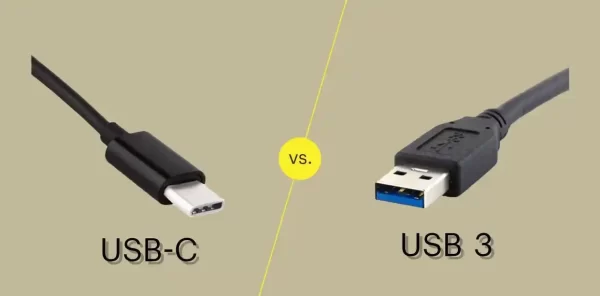
USB-C vs USB 3.0 vs USB4: Which Connector Do You Need for Your Next Design?
If you’re specifying a USB connector for a new product, you’ve probably run into three overlapping terms: USB-C, USB 3.0, and USB4....