

4P2T 12-Pin Horizontal Slide Switch DIP — SK-42D03 Through-Hole DIP Slide Switch with G Knob for PCB Control & Signal Switching
4P2T 12-Pin Horizontal Slide Switch DIP — SK-42D03 Product Overview
The SK-42D03 is a 4P2T 12-pin horizontal slide switch DIP engineered for PCB-based control and signal routing applications[reference:0]. This through-hole DIP slide switch integrates a 4-pole double-throw (4P2T) circuit configuration with 12 pins, offering four independent switch poles, each selectable between two positions. The horizontal orientation and G-knob actuator enable intuitive side-to-side sliding operation, making it ideal for panel-mounted controls in instruments, consumer electronics, and industrial equipment[reference:1].
Rated at 0.5A at 50V DC with a contact resistance of ≤30mΩ[reference:2][reference:3], the SK-42D03 delivers reliable performance across 10,000 operating cycles[reference:4]. The through-hole DIP design ensures secure PCB anchoring—12 pins pass through drilled holes and are wave-soldered or hand-soldered on the back side for robust mechanical retention[reference:5]. Whether you are designing a mode selector, function switch, or signal routing interface, this horizontal 4P2T slide switch DIP provides the durability and electrical performance required for production-grade electronics.
SK-42D03 DIP Slide Switch — Full Technical Specifications
| Parameter | Value | Notes |
|---|---|---|
| Part Number | SK-42D03 | Standard catalog item[reference:6] |
| Product Type | Horizontal Slide Switch (DIP) | G-knob actuator[reference:7] |
| Circuit Configuration | 4P2T (4 Pole, 2 Throw) | Four independent poles, two positions each[reference:8] |
| Pin Count | 12 Pins | Through-hole DIP configuration[reference:9] |
| Current Rating | 0.5A | DC resistive load[reference:10] |
| Voltage Rating | 50V DC | Maximum operating voltage[reference:11] |
| Contact Resistance | ≤ 30mΩ | Initial contact resistance[reference:12][reference:13] |
| Insulation Resistance | ≥ 100MΩ at 500V DC | Between terminals[reference:14] |
| Withstand Voltage | AC 500V for 1 minute | Dielectric strength[reference:15] |
| Operating Force | 250 ± 100 gf | Slider actuation force[reference:16][reference:17] |
| Operating Life | 10,000 cycles | Mechanical endurance[reference:18] |
| Operating Temperature | −25°C to +85°C | Commercial & industrial range[reference:19] |
| Storage Temperature | −40°C to +85°C | — |
| Contact Material | Brass, Silver or Gold Plated | Low and stable contact resistance[reference:20] |
| Insulator Material | LCP / High-Temperature Plastic | Wave-solder compatible |
| Packaging | Tray / Bag | Production ready[reference:21] |
Why Engineers Choose the SK-42D03 Through-Hole Slide Switch 12 Pin PCB for Durable Panel Controls
DIP Through-Hole Mounting — Maximum PCB Anchoring Strength
The through-hole slide switch 12 pin PCB design of the SK-42D03 ensures each of the 12 pins passes through the PCB and is soldered on the back side, creating a mechanically robust dual-anchored joint. This delivers superior pull-out and side-load resistance compared to SMT alternatives — critical for panel-mounted controls that experience repeated user actuation.
4P2T Circuit — Four Independent Poles, Two Positions Each
The 4P2T configuration provides four independent switch poles, each with two throw positions. This allows simultaneous switching of up to four separate circuits with a single actuator — ideal for mode selection, function switching, and signal routing applications where multiple control paths must be toggled together.
0.5A 50V Rating & 10,000-Cycle Durability
Rated at 0.5A at 50V DC with a contact resistance of ≤30mΩ, this 4P2T slide switch 0.5A 50V delivers reliable performance across 10,000 operating cycles[reference:22]. The gold-plated brass contacts ensure stable, low-resistance connections over the product’s lifetime[reference:23].
RoHS & REACH Compliant — Globally Export Ready
Fully compliant with RoHS and REACH substance regulations[reference:24][reference:25]. The SK-42D03 is manufactured with lead-free materials and meets international environmental standards, enabling worry-free export to global markets.
Where to Use the Horizontal 4P2T Slide Switch DIP — Applications for Instruments, AV, Gaming & Industrial Electronics
SK-42D03 Mechanical Dimensions & PCB Footprint — 12-Pin DIP Slide Switch Layout
The SK-42D03 DIP slide switch features a compact horizontal form factor with 12 pins arranged in a standard DIP footprint. Typical dimensions for this series are approximately 22mm × 9.4mm × 12mm (L × W × H), with a 2.0mm actuator travel distance[reference:27][reference:28]. The G-knob actuator is designed for easy thumb operation, with an operating force of 250 ± 100 gf providing tactile feedback without being overly stiff[reference:29].
The 12 pins are arranged in two rows of six pins each, following the standard 2.54mm (0.1-inch) DIP pitch. This footprint is compatible with most PCB design tools and standard DIP sockets. The through-hole pins are suitable for both wave soldering and hand soldering processes[reference:30].
SK-42D03 4P2T 12-Pin Horizontal Slide Switch DIP — Frequently Asked Questions
What is the difference between the SK-42D03 DIP through-hole and an SMT slide switch?
The SK-42D03 DIP through-hole slide switch drives its 12 pins through drilled holes in the PCB and solders them from the back side, creating a mechanically robust dual-anchored joint with high pull-out and side-load resistance. This makes it the preferred choice for panel-mounted controls that experience repeated user actuation and mechanical stress during operation.
An SMT slide switch (surface-mount) solders only to pads on the PCB surface, offering lower PCB area requirements and SMT reflow assembly compatibility — but with reduced mechanical pull-out strength compared to DIP mounting. For applications requiring maximum mechanical retention, the through-hole DIP design of the SK-42D03 is the superior choice.
What is the MOQ and can I get a free sample?
Standard MOQ is 1,000 pieces with a 2–4 week production lead time. Free samples are available for qualified engineering and product development projects. Contact sales@vistarelectronics.com with your company details, project application, and part number (SK-42D03), or click the “Get a Quote” button at the top of this page.
What is the operating temperature range of the SK-42D03?
The SK-42D03 operates reliably across a temperature range of −25°C to +85°C[reference:31], making it suitable for commercial and light-industrial applications. Storage temperature range is −40°C to +85°C. The LCP insulator material ensures stable performance even in elevated temperature environments during wave soldering processes.
What is the difference between 4P2T and other circuit configurations?
4P2T stands for 4 Pole, 2 Throw — meaning the switch has four independent poles (circuits), each of which can be connected to one of two positions (throws). This allows simultaneous switching of up to four separate circuits with a single actuator movement. By comparison, a 2P2T switch has only two poles, and a 4P3T switch would have three positions per pole. The 4P2T configuration of the SK-42D03 is ideal for applications requiring multiple independent circuits to be switched together, such as mode selection or function routing.
Additional Resources & Technical References


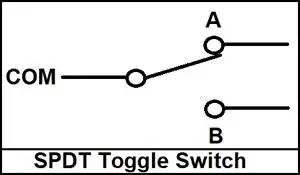
SPDT Slide Switch: A Classic Solution for Precision Control and Circuit Routing
In the control and signal path selection of electronic systems, slide switches have always held an indispensable position due to their intuitive...

Mini Slide Switch Reliability: 8 Factors That Affect Long-Term Performance
What really determines mini slide switch reliability? Explore 8 factors from contact material to PCB mounting that impact lifespan. Improve durability in...

Mini Slide Switch: The Complete Guide to Types, Applications & Selection
Explore the complete mini slide switch guide covering types, specifications, applications, and selection tips. Learn how engineers choose reliable slide switches. A...