
D sub Connector
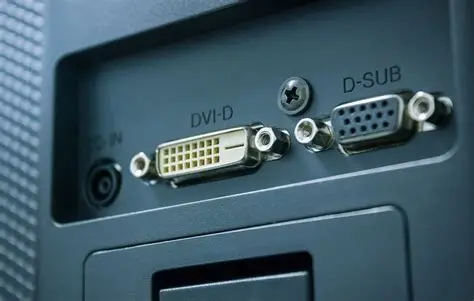
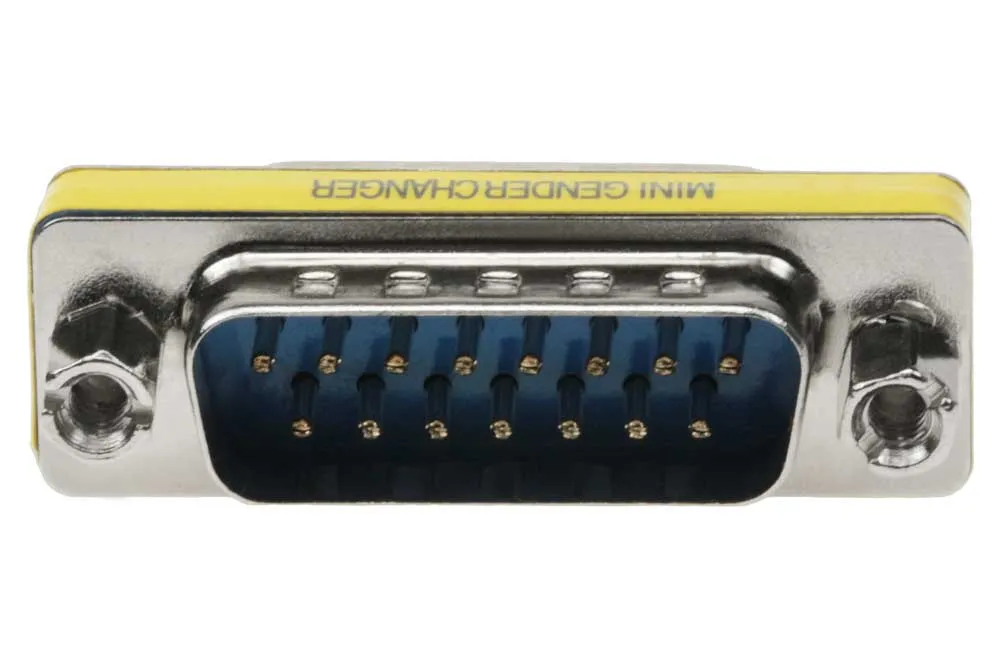
A D sub connector, also known as a D-subminiature or DB connector, is a common type of electrical connector used in electronic and computer systems. It is named after its D-shaped metal shield, which provides mechanical strength and prevents the connector from being plugged in incorrectly. The number of pins or contacts varies, and the most common configurations are the 9-pin (DE-9), 15-pin (DA-15), 25-pin (DB-25), and 37-pin (DC-37) connectors.
Features
The d sub connector, also known as the D-subminiature or D-sub connector, is a type of electrical connector commonly used in computer and electronics applications. It is characterized by its D-shaped metal shell and is available in various sizes and pin configurations.
Some key features and uses of d-sub connectors include:
1. Sizes: D sub connectors come in different shell sizes, ranging from the smallest 9-pin (DE-9) to the largest 50-pin (DD-50) configuration. The most common sizes are 9-pin, 15-pin, and 25-pin.
2. Pin configuration: The pins within the D sub connector can be either male (protruding pins) or female (recessed pins). This allows for mating of male and female connectors.
3. Applications:
– Computer interfaces: Sub d connectors are widely used for serial ports (RS-232), parallel ports (DB-25), and VGA video connections.
– Industrial equipment: D-sub connectors are often used in industrial automation, control systems, and test equipment.
– Audio and video: D sub can be found in some audio and video equipment, such as professional audio interfaces.
– Military and aerospace: D sub connector are also commonly used in military and aerospace applications due to their rugged design and reliability.
4. Advantages:
– Robust and durable construction
– Secure locking mechanism to prevent accidental disconnection
– Widely available and standardized
– Cost-effective compared to some other connector types
D-sub connectors are an essential part of many electronic systems and devices, providing a reliable and versatile way to establish electrical connections between various components and peripherals.
More Content

Little-Known D-Sub Connectors : Specific Applications and Cabling Standards in Industrial Automation
D-Sub connectors ( d subminiature connectors) continue to hold a vital position in industrial automation due to their robustness, reliability, and interference immunity. The table below summarizes their main application scenarios and key cabling standards to help you quickly understand the core information. Application Area Specific Role and Function Key Cabling Standards Industrial Robot Control Connects joint drive motors, sensors,
The best post to know D-Sub connector
The D-Sub connector, an interface that has played a crucial role in the history of electronic devices and computers, ensures a stable and reliable connection with its iconic D-shaped metal shielding shell. Despite facing challenges from emerging interfaces, it continues to play a key role in specific fields. The table below summarizes the core information of the D-Sub connector, helping

Professional Engineer teach you: Specific D-Sub Connector Pins Definitions and Signal Assignment Specifications in Different Industry Standards
D-Sub connector pins definitions and signal assignments vary significantly depending on the application area and industry standards. The table below summarizes typical pin definitions from several key industries to help you quickly understand their diverse applications. Industry Applications Typical Connector Models Core Pin Definitions/Signal Assignments Major Standards/Protocols Followed Computer Communication (Serial Port) DE-9 (often mistakenly called DB-9) 1: CD (Carrier